Adaptive Clearing Protocols: How Niche Vendors Sync Credit Authorizations with Dynamic Inventory Updates Across Digital Platforms
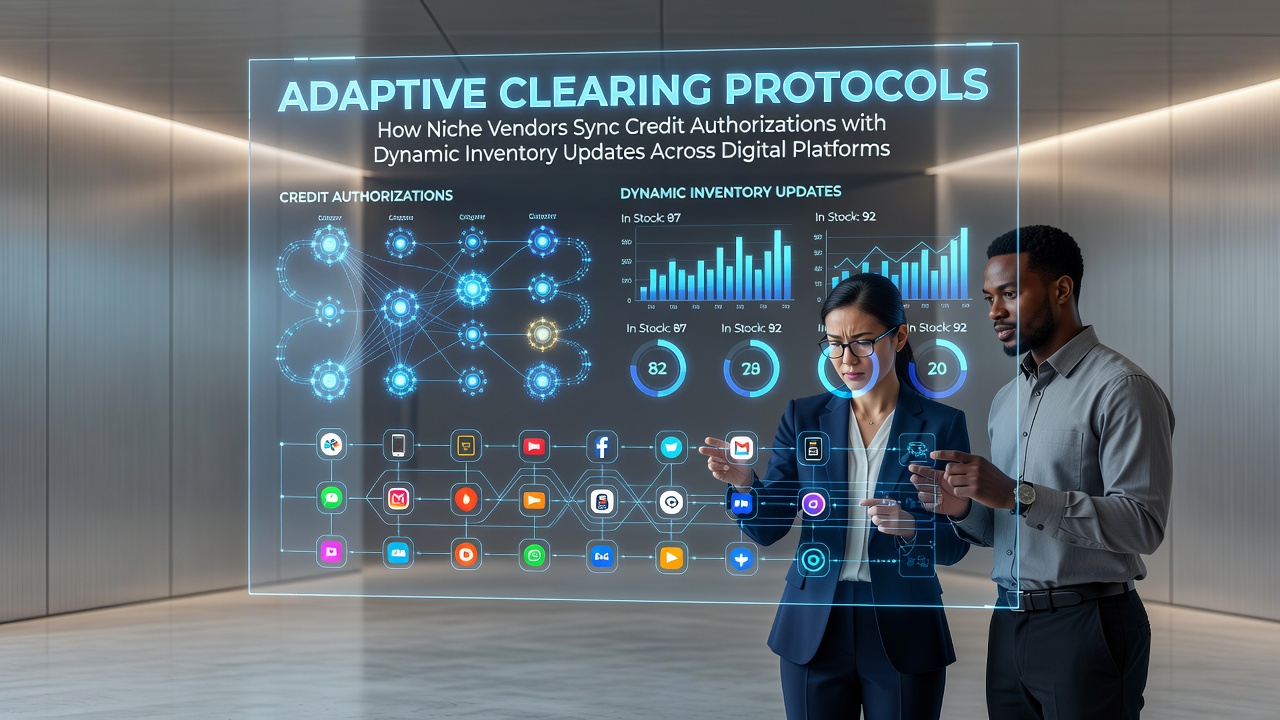
Adaptive clearing protocols enable niche vendors to coordinate credit card authorizations with live inventory changes on multiple digital platforms through automated data exchanges and rule-based adjustments. These systems monitor stock levels continuously and modify authorization requests accordingly, which helps prevent overcommitment of goods that may no longer be available when a transaction completes. Data from industry reports shows that vendors operating on hybrid marketplaces experience fewer authorization declines when such protocols integrate directly with inventory databases rather than relying on batch updates.
Core Components of Real-Time Synchronization
Inventory management platforms feed current stock quantities into authorization engines that sit between merchant accounts and card networks; when an item count drops below a threshold, the protocol can reduce the authorized amount or flag the order for manual review before funds move. This approach differs from static clearing methods because it incorporates event-driven triggers that respond within milliseconds instead of waiting for scheduled reconciliations. Observers note that vendors in specialty retail segments, such as artisanal goods or limited-run electronics, rely on these connections to maintain accuracy across their own websites, third-party marketplaces, and mobile sales channels simultaneously.
Application programming interfaces serve as the primary conduit, passing structured messages that include both payment details and inventory identifiers in a single payload. When a customer adds an item to a cart on one platform, the protocol queries the central inventory ledger and reserves the corresponding authorization hold; subsequent changes on any connected channel update that hold without requiring separate merchant intervention. Research indicates that systems built on standardized message formats achieve higher consistency rates across platforms compared with proprietary connectors that require custom mapping for each integration point.
Implementation Patterns Among Specialty Sellers
Niche vendors often begin by mapping their existing inventory fields to authorization request parameters, which allows the clearing layer to interpret stock reductions as signals to adjust pending transactions. One documented workflow involves a vendor selling seasonal outdoor equipment who linked a cloud-based inventory system to multiple storefronts; each sale attempt triggered an immediate stock check that either confirmed the authorization amount or substituted an alternative item if the original stock had shifted due to a concurrent order on another site. Figures from platform operators reveal that such linkages reduce the volume of partial shipments and subsequent refunds that otherwise arise when inventory data lags behind payment processing.
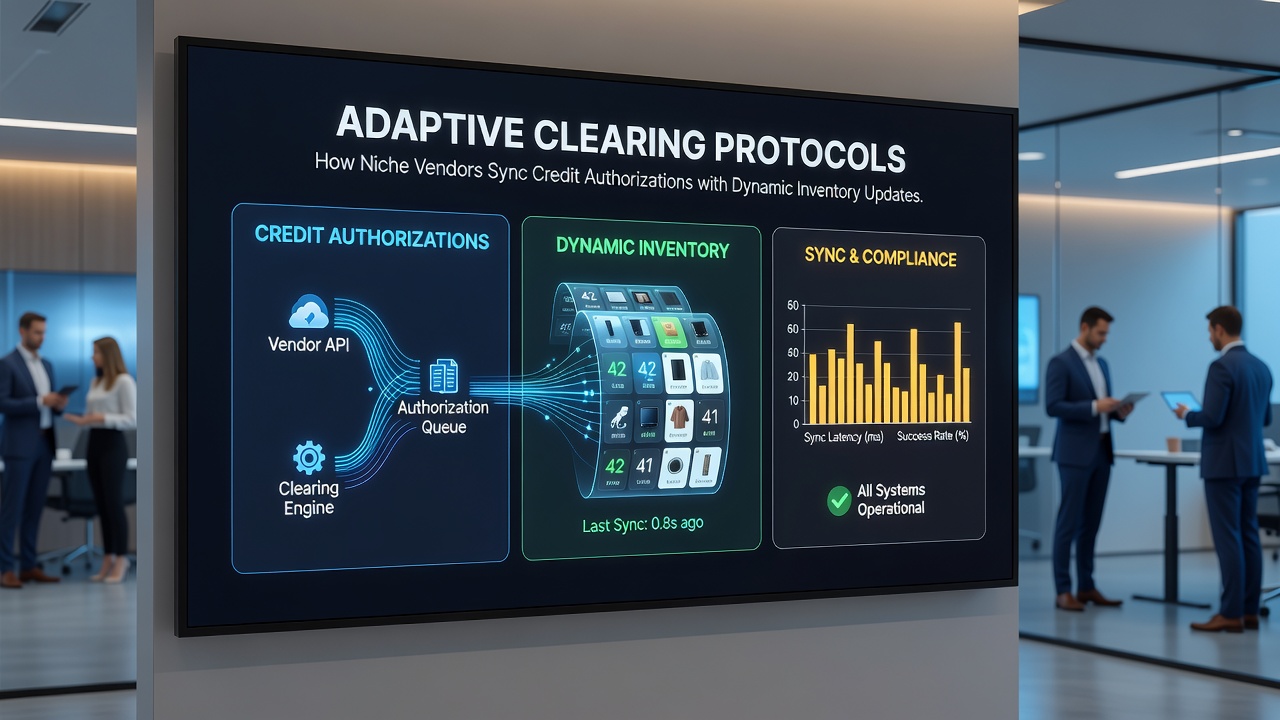
Security layers within these protocols encrypt both the authorization token and the inventory reference, ensuring that sensitive card data never travels alongside stock information in plaintext. As of June 2026, several payment processors had begun supporting optional fields for real-time inventory status within their authorization APIs, which simplified adoption for vendors already using those processors for recurring or one-time charges. Those integrations typically require merchants to configure threshold rules that define when a low-stock alert should downgrade an authorization rather than reject it outright.
Data Exchange Standards and Platform Connectivity
Industry groups have published guidelines that encourage consistent use of inventory status codes within payment messages, which reduces the need for each vendor to develop custom translation layers when connecting new platforms. According to documentation from the Bank for International Settlements, standardized data fields for availability and reservation status support smoother cross-border operations because receiving systems interpret the codes uniformly regardless of the originating merchant's software. Vendors who adopt these conventions report fewer mismatches between authorized amounts and actual shipped quantities, especially when operating across regions with differing tax or currency handling requirements.
Dynamic updates also extend to scenarios where returns or cancellations free up previously reserved stock; the protocol can then release the corresponding authorization hold or allow a new transaction to claim the restored inventory without manual intervention. Academic studies on e-commerce logistics have examined how such bidirectional flows between payment and inventory systems affect overall settlement times, noting that vendors experience shorter reconciliation cycles when inventory events directly influence authorization status rather than requiring separate ledger entries.
Operational Outcomes Across Digital Channels
Merchants using adaptive protocols across multiple channels track metrics such as authorization success rates alongside inventory turnover figures to identify patterns where stock fluctuations correlate with payment declines. Platform analytics dashboards often surface these correlations in real time, allowing vendors to adjust pricing or reorder thresholds before inventory shortfalls trigger widespread authorization issues. Evidence from merchant service providers shows that specialty sellers who maintain synchronized systems encounter fewer chargebacks tied to unavailable merchandise compared with those relying on periodic inventory snapshots.
Connectivity between clearing protocols and supplier portals further extends the synchronization by notifying upstream vendors when downstream inventory changes affect pending orders, which helps coordinate restocking timelines with payment authorization windows. This layered approach keeps authorization holds aligned with actual product movement rather than projected availability, reducing the incidence of expired holds that tie up merchant credit lines unnecessarily.
Conclusion
Adaptive clearing protocols continue to evolve as niche vendors expand across digital platforms that demand precise coordination between credit authorizations and live inventory states. The technical patterns described rely on established API standards and event-driven updates that respond to stock changes without introducing delays into the payment flow. Ongoing refinements in message formatting and threshold management reflect the practical requirements of merchants who must balance authorization security with accurate product availability across their sales channels.