API-Driven Approaches to Automating Invoice Management and Strengthening Fraud Detection in Digital Subscription Models
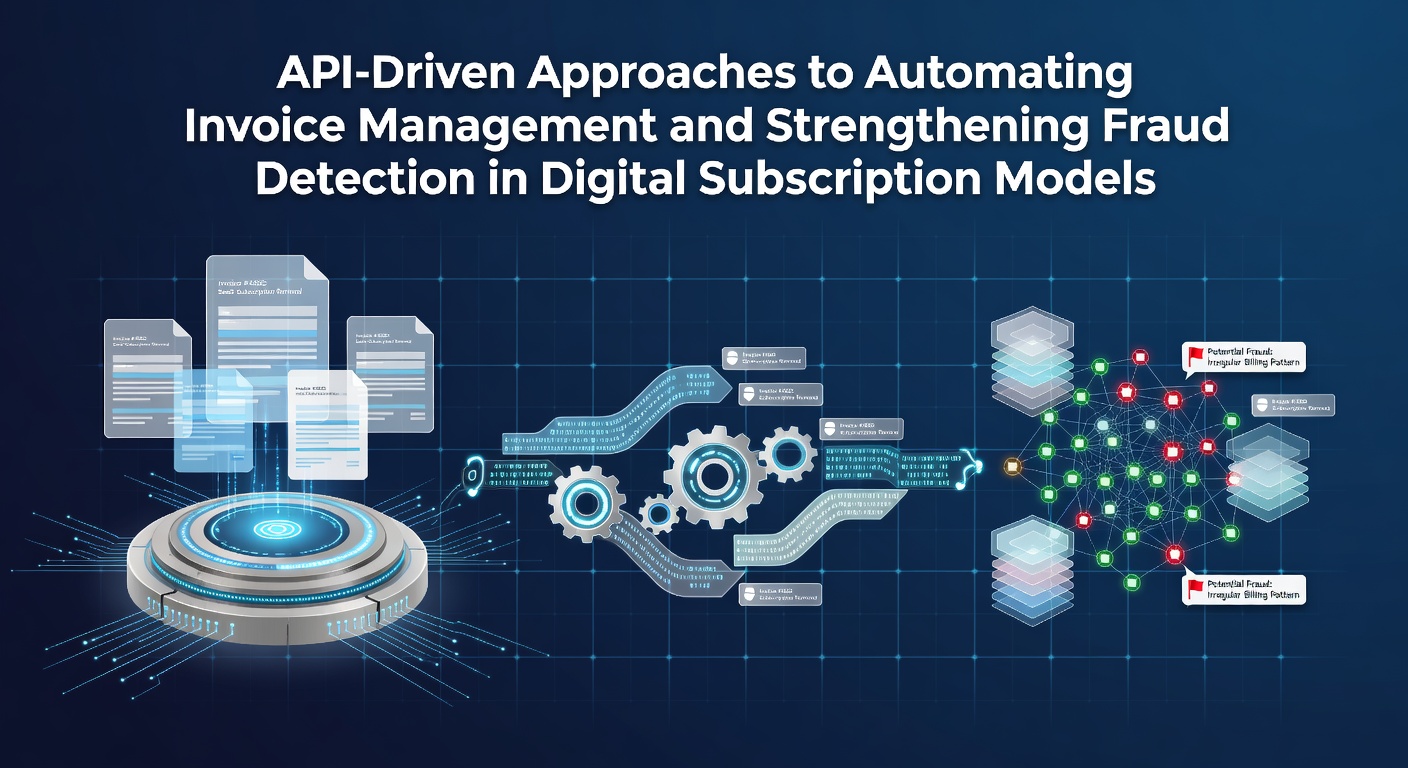
Digital subscription services have expanded rapidly across industries, from streaming platforms to software-as-a-service tools, and this growth brings complex demands for invoice handling plus fraud prevention. API-driven systems now handle recurring billing cycles by pulling data directly from customer accounts, generating invoices in real time, and routing them through secure channels without manual intervention. Those who've studied payment infrastructures note that such connections reduce processing delays while maintaining records that comply with varying regional tax rules.
Companies integrate these APIs with existing enterprise resource planning software so invoice creation triggers automatically when a subscription renews. Data flows between the billing engine and the payment gateway through standardized endpoints, which update amounts based on usage metrics or plan changes. Researchers tracking subscription economies point out that this automation cuts error rates in line-item calculations, especially when multiple currencies and tax jurisdictions come into play during cross-border transactions.
Core Mechanisms Behind Automated Invoice Workflows
Modern APIs expose endpoints that accept subscription identifiers and return formatted invoices complete with due dates, prorated charges, and discount applications. Developers configure webhooks to notify downstream systems the moment an invoice reaches a customer inbox or gets paid. Observers who monitor fintech deployments report that these triggers enable immediate updates to inventory or access privileges, keeping service continuity intact even during high-volume renewal periods such as those seen in early May 2026 when many platforms rolled out annual plans.
Security tokens and OAuth protocols govern every data exchange, so sensitive details like payment methods never travel in plain text. Batch processing options allow organizations to queue thousands of invoices overnight while real-time calls handle exceptions like failed payments or disputed amounts. Figures from industry analyses reveal that firms adopting these layered approaches experience faster reconciliation between bank statements and internal ledgers because every transaction carries traceable metadata from the initial API call.
Layering Fraud Detection into Subscription APIs
Fraud detection strengthens when machine-learning models receive live feeds through dedicated API channels that score each transaction for risk signals. These signals include mismatched device fingerprints, unusual geographic shifts, or velocity patterns where multiple subscriptions start from the same IP cluster. Experts analyzing payment ecosystems explain that the models retrain continuously on anonymized historical data, which sharpens their ability to flag anomalies before funds move.
Tokenization works alongside these checks by replacing card numbers with unique identifiers that the API validates against issuer databases without exposing raw details. When a high-risk score appears, the system can trigger step-up authentication or temporary holds while notifying the merchant dashboard. Data compiled through 2025 and into May 2026 shows subscription merchants reducing chargeback ratios by routing suspicious renewals through additional verification layers embedded directly in the API response flow.
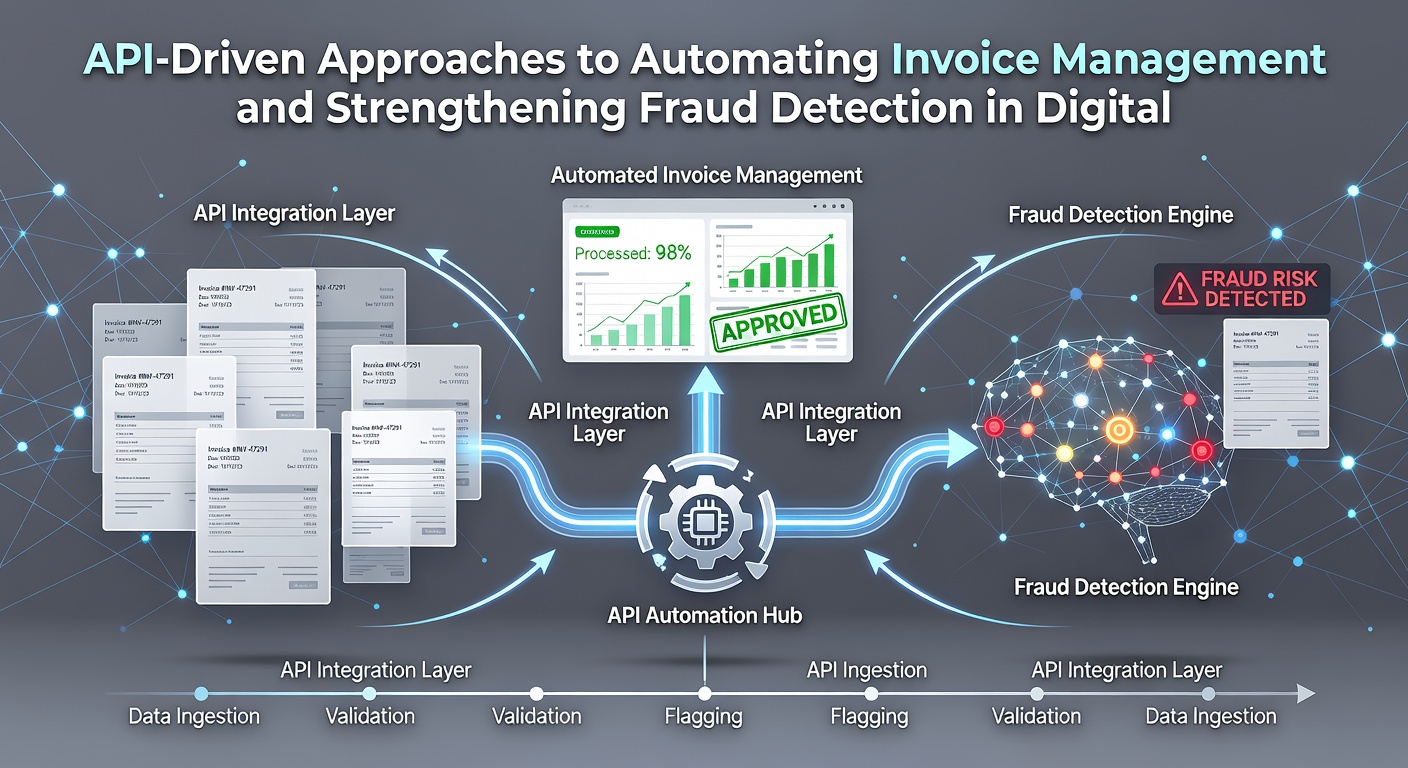
Collaboration between payment processors and subscription platforms often occurs through partner APIs that share aggregated fraud intelligence without compromising individual customer privacy. One study released by the University of Toronto's payments research group found measurable drops in synthetic identity attempts when such shared signals reached merchants within seconds of detection. The same infrastructure supports regulatory reporting by exporting anonymized logs that satisfy requirements from bodies like the Australian Competition and Consumer Commission.
Practical Integration Patterns Across Subscription Platforms
Startups typically begin with off-the-shelf API libraries that connect their billing software to established gateways, then layer custom fraud rules tailored to their user base. Larger enterprises build internal orchestration layers that route calls through multiple vendors for redundancy, ensuring invoice generation continues even if one detection service experiences latency. Those managing high-growth subscription fleets emphasize idempotency keys within API requests, which prevent duplicate charges during network retries.
Testing environments replicate production traffic patterns so teams validate both invoice accuracy and fraud thresholds before live deployment. Sandbox modes simulate edge cases such as expired cards, partial refunds, or sudden plan upgrades that alter invoice totals mid-cycle. Observers tracking these implementations note consistent gains in operational efficiency once the initial mapping of data fields between systems stabilizes.
Compliance remains central because APIs must honor data residency rules and consent frameworks that differ by jurisdiction. Automated audit trails generated through each call provide the documentation needed during periodic reviews by oversight agencies. What's interesting is how these same trails help merchants reconstruct events during disputes, shortening resolution times for both customers and support teams.
Conclusion
API architectures continue to evolve as subscription volumes rise and fraud tactics shift, yet the core value stays constant: streamlined invoice creation paired with proactive risk scoring that operates at the speed of digital commerce. Organizations that embed these capabilities report tighter control over cash flow and clearer visibility into emerging threat patterns. Continued refinement of endpoint standards and model training techniques will determine how effectively platforms keep pace with both customer expectations and regulatory demands in the years ahead.