Artisan Networks Streamline Vendor Payouts by Merging Real-Time Inventory Alerts with Tokenized Charge Sequences Across Hybrid Market Platforms
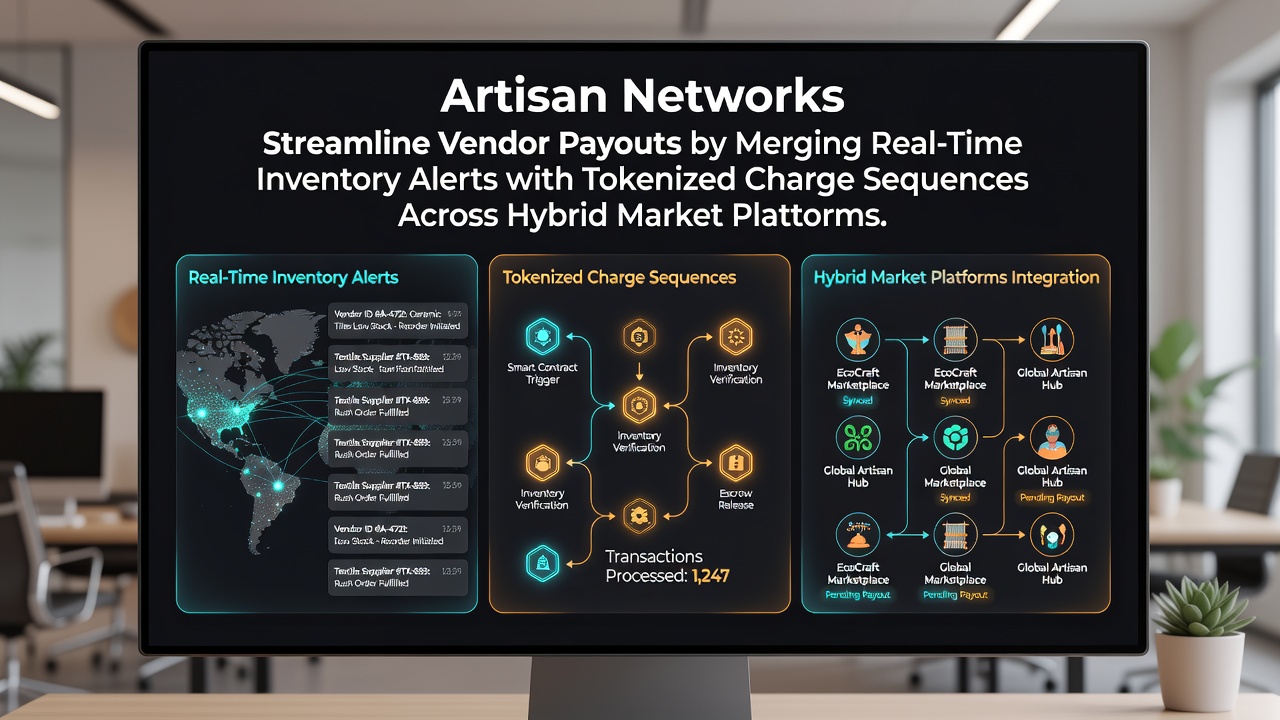 Artisan networks have adopted systems that connect live stock updates directly to tokenized payment sequences, which allows vendors operating in both physical stalls and digital storefronts to receive payouts without manual reconciliation steps. These setups track product availability across locations and trigger charge authorizations only when inventory confirms sufficient stock, reducing delays in fund transfers to sellers. Observers note that such integrations have expanded since mid-2025 as hybrid platforms grew in scale. Data from industry reports indicate that vendors using these merged tools saw average payout times drop from five days to under 48 hours in many cases. The approach relies on secure token exchanges that replace sensitive card details while inventory signals update continuously through connected applications.
Mechanics of Inventory-Linked Tokenization
Real-time alerts originate from point-of-sale devices and e-commerce databases that feed into a central processor. When stock levels change, the system evaluates pending orders and generates tokenized sequences for charges that match available items. This process avoids overcommitment because authorization requests pause if inventory drops below thresholds, and it resumes automatically once replenishment data arrives.
Researchers at payment technology conferences have documented how these sequences operate across multiple channels without requiring separate logins for each marketplace. One documented workflow involves a craft fair vendor whose mobile app syncs with an online catalog, allowing a sale at the physical booth to adjust digital counts instantly and route the corresponding tokenized charge to the vendor account within the same transaction cycle.
Hybrid Platform Operations in Practice
Hybrid market platforms combine in-person events with online listings, and the merged alerts help coordinate payouts for vendors who participate in both. Figures from the Australian Payments Network show that similar synchronized systems handled over 12 million transactions in the first half of 2026, with settlement accuracy rates exceeding 98 percent when inventory signals aligned with charge tokens.
Merchants often route funds through unified clearing networks that recognize both physical and digital inventory events. This setup lets seasonal sellers, such as those at summer markets, maintain consistent cash flow because payouts trigger on verified availability rather than on estimated demand. Systems also log each inventory shift alongside the tokenized sequence, creating audit trails that satisfy reporting requirements from regulatory bodies like the European Payments Council.
Settlement Patterns Observed in July 2026
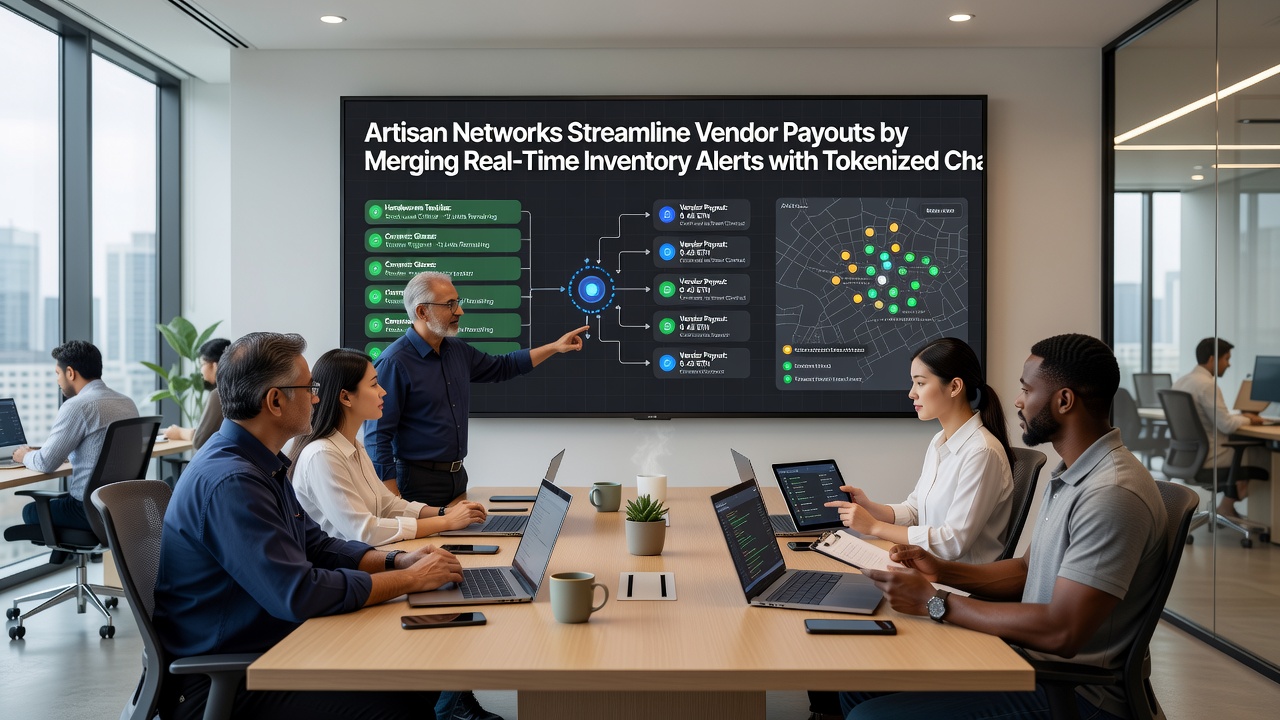
By July 2026, several artisan cooperatives reported deploying updated connectors that link mobile sales applications directly to supplier invoicing modules. These connectors transmit stock depletion notices to payment gateways, which then execute tokenized charges and distribute proceeds to vendor accounts on the same day in most documented instances. Settlement data released that month by the Federal Reserve Bank of New York highlighted a 23 percent rise in same-day payouts among small-scale retail operators using such merged protocols compared with the prior year.
Vendors operating across platforms like regional craft networks and national online marketplaces benefit from reduced manual intervention because the system automatically matches inventory alerts to charge sequences. This correlation prevents chargebacks tied to unavailable goods and accelerates the release of funds once verification completes. Observers at trade associations note that the pattern has encouraged more seasonal vendors to adopt hybrid sales models without adding administrative layers.
Security and Compliance Elements
Tokenized sequences replace card numbers with unique identifiers that expire after each use cycle, and inventory alerts add an extra verification layer before any payout authorization proceeds. Compliance frameworks from bodies such as the Bank of Canada require these dual checks to meet data protection standards while preserving transaction speed. Studies published in payment technology journals confirm that networks employing both elements recorded fewer discrepancies in vendor ledgers during peak market periods.
Artisan groups have integrated these tools into existing point-of-sale hardware, allowing craft fair operators to view combined inventory and payout status on single dashboards. The result is a streamlined workflow where stock updates at one location instantly influence charge processing at another, keeping vendor accounts current without separate reconciliation sessions.
Conclusion
Artisan networks continue to refine these merged systems as hybrid platforms expand, with inventory alerts and tokenized sequences serving as core components for timely vendor payouts. The approach supports operations that span physical events and digital channels while maintaining alignment between stock data and payment flows. Reports through July 2026 indicate sustained adoption among small vendors seeking efficient settlement across multiple marketplaces.