Bridging POS and Online Gateways: Real-World Tactics Merchants Use for Fraud-Proof Recurring Payments
Bridging POS and Online Gateways: Real-World Tactics Merchants Use for Fraud-Proof Recurring Payments
The Push for Seamless Integration in a Hybrid Payment World
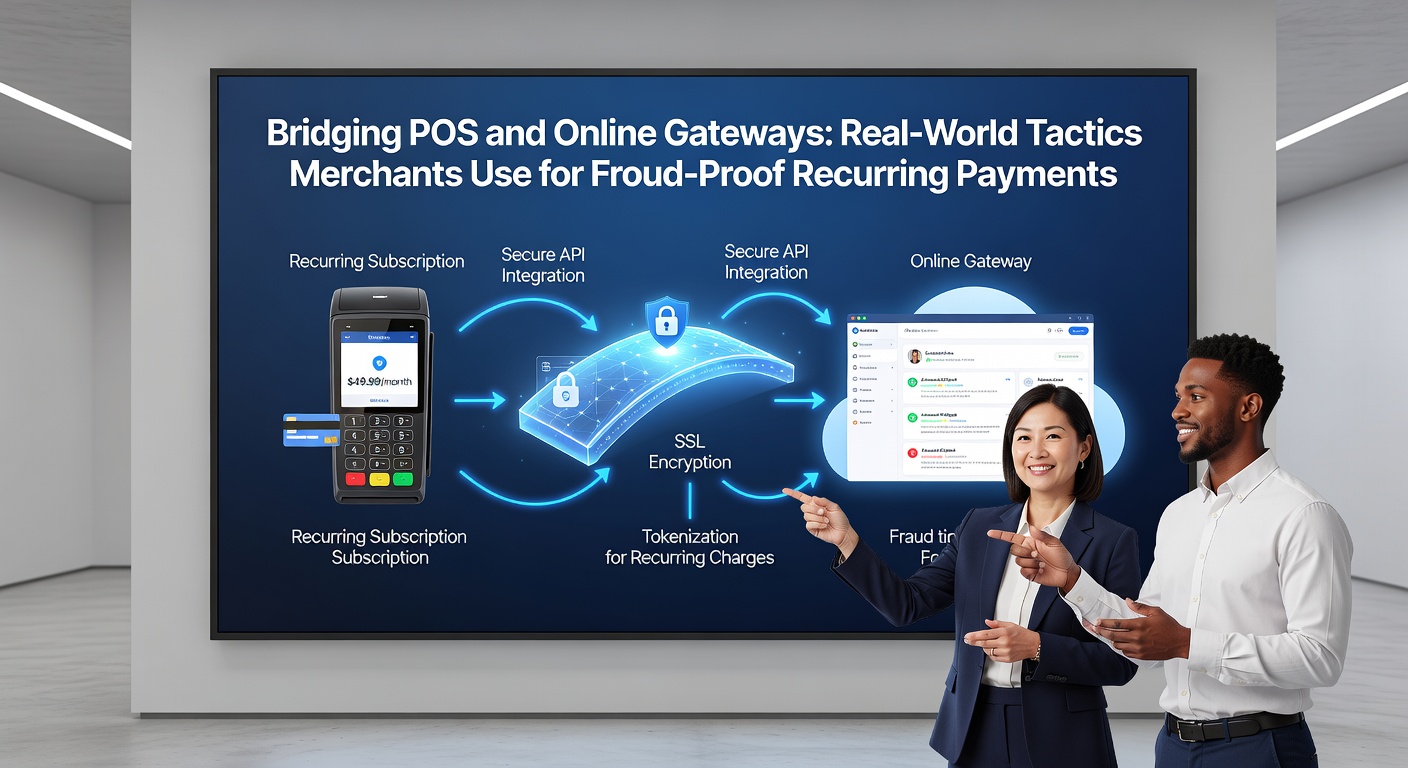
Merchants today juggle physical storefronts and digital platforms, often relying on recurring payments to keep revenue steady; yet bridging point-of-sale (POS) systems with online gateways presents unique hurdles, especially when fraud lurks around every corner. Data from the PCI Security Standards Council reveals that recurring transactions account for over 40% of e-commerce volume in sectors like subscriptions and memberships, making them prime targets for sophisticated attacks. Experts observe how savvy businesses link these systems not just for convenience, but to layer in fraud defenses that work across both channels, turning potential vulnerabilities into fortified revenue streams.
Take gym chains or SaaS providers; they capture card details at the POS during a member's first visit, then seamlessly transition those to online billing without re-entry, all while embedding checks that flag anomalies in real time. This integration isn't new, but tactics have evolved sharply since the rise of contactless payments post-2020, with merchants now prioritizing unified data flows that sync authorization rules between in-store taps and web checkouts.
Core Challenges Merchants Face in Recurring Payment Bridges
Fraudsters exploit gaps where POS data doesn't fully sync with online gateways, leading to unauthorized renewals or account takeovers; figures from the U.S. Federal Trade Commission indicate that payment fraud losses topped $10 billion in 2025 alone, with recurring billing hit hardest due to stored credentials. Observers note that mismatched token lifecycles—one expiring faster in POS versus online—create blind spots, while disparate fraud scoring models between systems allow bad actors to slip through, testing limits on one end before hitting the other.
But here's the thing: velocity mismatches compound the issue, as high-volume POS swipes during peak hours don't always trigger the same online scrutiny, letting patterns like sudden international charges evade detection. Those who've studied this landscape point to legacy POS hardware struggling with modern API integrations, forcing merchants to retrofit or replace, all while customer churn rises from failed payments that could have been preempted through better bridging.
Tokenization as the Foundation for Fraud-Resistant Bridges
Merchants lead with tokenization, swapping real card numbers for unique identifiers that POS and online gateways both recognize, ensuring data never travels in plain text across channels; research from industry reports shows this cuts breach impacts by up to 70%, since even if one system gets compromised, the token remains useless without the vault. Providers like Stripe or Adyen offer network tokens—dynamically updated versions from Visa and Mastercard—that auto-refresh across POS and e-com, preventing declines from expired cards in recurring setups.
And it gets practical: coffee shop owners tokenizing loyalty program cards at the terminal find those same tokens powering app-based subscriptions, with fraud teams monitoring spend patterns unified across touchpoints. What's interesting is how this tactic scales for omnichannel retailers, where a single customer profile links in-store purchases to online renewals, triggering alerts if usage spikes unnaturally, say from a device in a new country.

Layering Authentication: 3DS and Biometrics Across Channels
Building on tokens, merchants enforce 3D Secure (3DS) 2.0 protocols that span POS NFC taps and online iframes, prompting frictionless risk-based challenges only when patterns deviate; studies reveal adoption has slashed unauthorized disputes by 60% for recurring merchants bridging these worlds. In the EU, PSD3 rules effective early 2026 mandate stronger customer authentication for all recurring series, pushing U.S. and Australian businesses to align via gateways like Worldpay that propagate 3DS data bidirectionally.
Biometrics add another layer—fingerprint scans at POS kiosks feed into online gateway risk engines, creating behavioral profiles that flag mismatches, such as a verified in-store user suddenly billing from an unrecognized browser. Gym franchises report 25% fewer fraud attempts after syncing Face ID from app sign-ups with terminal verifications, keeping recurring dues flowing without interruptions.
Real-World Tactics: Velocity Checks and Behavioral Analytics
Smart merchants deploy unified velocity rules, capping transactions per card-hour across POS and online to thwart testing attacks; one subscription box service cut fraudulent sign-ups by 45% by syncing these limits, catching abusers who max out in-store trials before online escalations. Behavioral analytics tools from gateways like Braintree analyze swipe patterns—smooth POS curves versus erratic online bursts—flagging anomalies in real time, while machine learning models trained on combined datasets predict churn-risk fraud before charges hit.
Take a boutique fitness studio: owners there integrate Square POS with Recurly for memberships, applying geo-fencing that cross-checks IP locations against terminal-stored addresses, declining charges from distant hotspots unless verified. And for high-risk verticals like gaming subscriptions, shared blacklists via networks like Ethoca propagate blocks instantly, whether the initial flag came from a POS decline or online alert.
Case Studies from the Trenches
A Midwest meal kit provider bridged Clover POS with Chargebee, embedding AVS (Address Verification Service) matches that required full alignment for recurring authorizations; results showed chargeback ratios dropping from 1.2% to 0.3% within six months, as unified CVV checks prevented partial matches exploited by fraud rings. Similarly, Australian surf schools using Tyro POS linked to Xero gateways implemented dynamic descriptor customization, labeling renewals consistently across statements to boost recognition and disputes resolution.
Now consider a SaaS firm in Canada: developers there synced Lightspeed POS with Zuora, layering in device fingerprinting that tracked hardware IDs from in-store tablets to web logins, nailing 80% of account takeover bids early. These examples highlight how tailored API middleware—tools like Spreedly—acts as the glue, normalizing data formats so fraud engines speak the same language regardless of origin.
Navigating Regulations and Tech Shifts
Regulators worldwide tighten the screws: the Australian Competition & Consumer Commission (ACCC) reported in late 2025 that unified fraud frameworks reduced disputes by 30% for cross-channel merchants, urging broader adoption ahead of 2026 mandates. In the U.S., NACHA rules for ACH recurring push similar syncing, while EU's instant payments regulation by April 2026 demands gateways handle real-time fraud signals across POS-online bridges, compelling merchants to upgrade.
Turns out, ISO 20022 migration hits in April 2026, standardizing message formats that make POS-online handoffs richer with fraud metadata, letting banks score risks holistically. Those preparing early—via gateways like FIS—gain edges, as richer data flows expose patterns invisible in siloed systems, from unusual MCC codes to velocity outliers spanning channels.
Advanced Tools and Emerging Edges
Beyond basics, merchants tap payment orchestration platforms like Rapyd, routing recurring payments through optimal paths based on real-time risk scores aggregated from POS telemetry and online sessions; one e-tailer's switch yielded 15% uplift in approval rates for high-volume subscriptions. Graph databases now map customer journeys across touchpoints, spotting fraud webs like mule accounts activated post-POS enrollment.
Yet edge cases persist: international expansion requires currency-agnostic bridges, with DCC (Dynamic Currency Conversion) flags syncing to prevent wash trading in recurring forex plays. Observers see quantum-resistant encryption rolling out by mid-2026, future-proofing token vaults against evolving threats.
Conclusion
Merchants bridging POS and online gateways for recurring payments arm themselves with tokenization, unified auth, and behavioral smarts, slashing fraud while sustaining cash flow; real-world wins from meal kits to gyms prove these tactics deliver, especially as April 2026 regulations like PSD3 and ISO 20022 force deeper integrations. Data underscores the payoff—lower disputes, higher retention—and those who sync early stay ahead, turning hybrid payments into a competitive moat rather than a weak link. The landscape evolves fast, but proven bridges keep revenue secure and recurring.