Charting Cash Flow Patterns for Service Providers Through Unified Clearing Networks in Expanding Markets
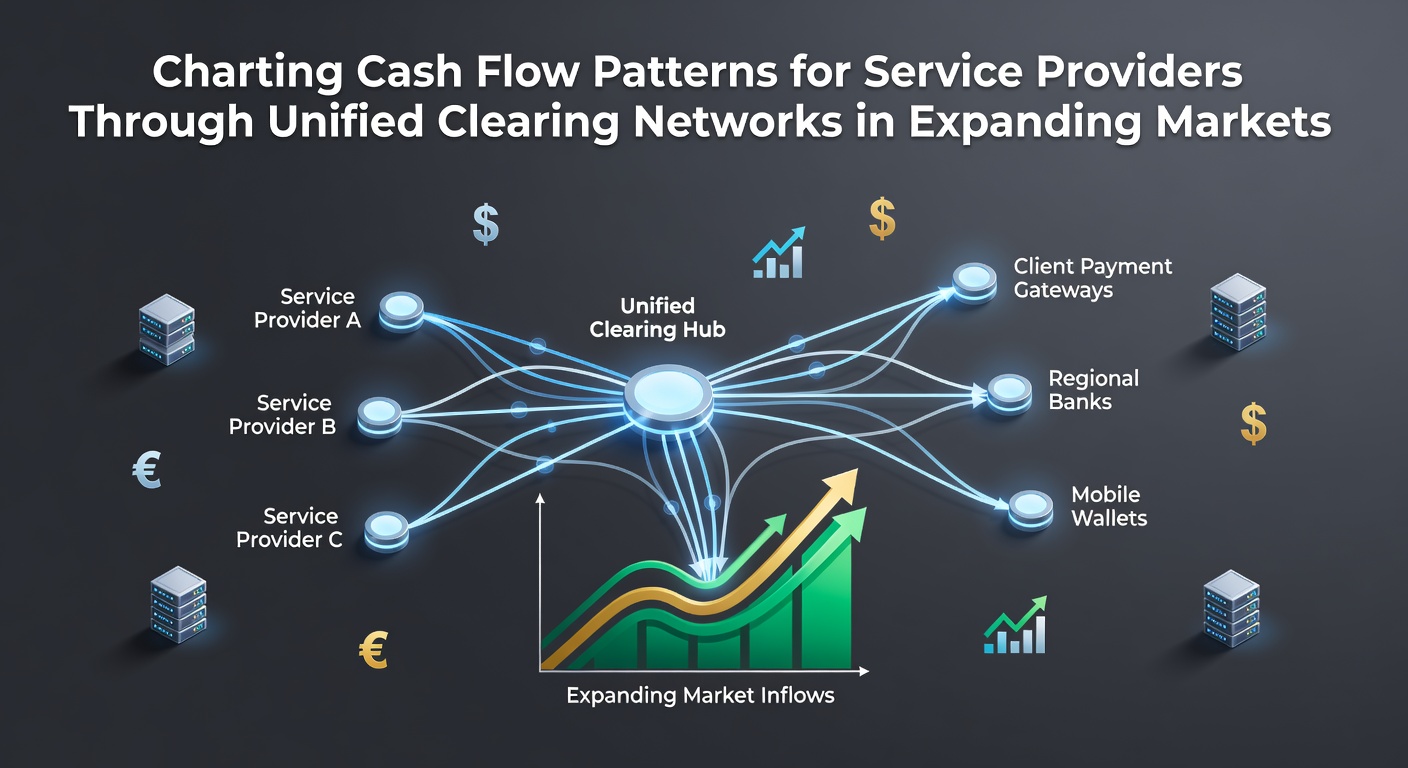
Service providers in growing economies have turned to unified clearing networks as the primary mechanism for tracking and managing incoming and outgoing funds across multiple channels. These networks consolidate transaction data from banks, processors, and settlement houses into single streams that allow operators to map cash movements over time. Observers note that this consolidation reduces the fragmentation that once required separate ledgers for each payment rail or geographic region.
Unified clearing systems operate by routing all authorized transfers through a central processor that timestamps, validates, and records each movement before final settlement. Researchers at institutions such as the Bank for International Settlements have documented how these platforms generate standardized reports that break down inflows by source, timing, and currency. Service providers then overlay historical data to identify recurring patterns, such as weekly peaks in subscription renewals or seasonal spikes tied to project completions.
Mapping Daily and Periodic Flows
Daily cash flow charting begins with the ingestion of raw settlement files that arrive at regular intervals throughout the business day. Analysts sort these files into categories that reflect service type, client segment, and market location. The resulting datasets reveal velocity metrics that show how quickly receivables convert into usable balances after clearing fees and holds. In expanding markets where transaction volumes have risen sharply since 2023, these metrics help operators adjust staffing and liquidity buffers ahead of anticipated surges.
Periodic patterns emerge when providers aggregate data over weeks or quarters. One study of Southeast Asian service firms found that cross-border remittances cleared through unified networks exhibited consistent 14-day cycles aligned with client billing dates. Those cycles allowed treasury teams to forecast funding gaps and arrange short-term credit lines without relying on fragmented bank statements.
Role of Expanding Markets
Markets in Latin America and parts of Africa have recorded the fastest adoption rates for unified clearing infrastructure between 2024 and 2026. Government initiatives in Brazil and Kenya introduced regulatory sandboxes that encouraged banks and fintechs to connect to shared clearing rails. Data compiled by the World Bank shows that transaction throughput on these rails grew by more than 40 percent year-over-year in several jurisdictions during that period.
Service providers operating in these regions use the networks to reconcile multi-currency collections without maintaining separate nostro accounts for each currency. The single view reduces reconciliation errors and shortens the time between receipt and recognition in financial statements. In June 2026 several African central banks completed upgrades that added real-time messaging capabilities to existing clearing platforms, further compressing settlement windows from two days to same-day finality for domestic service invoices.
Tools and Visualization Techniques
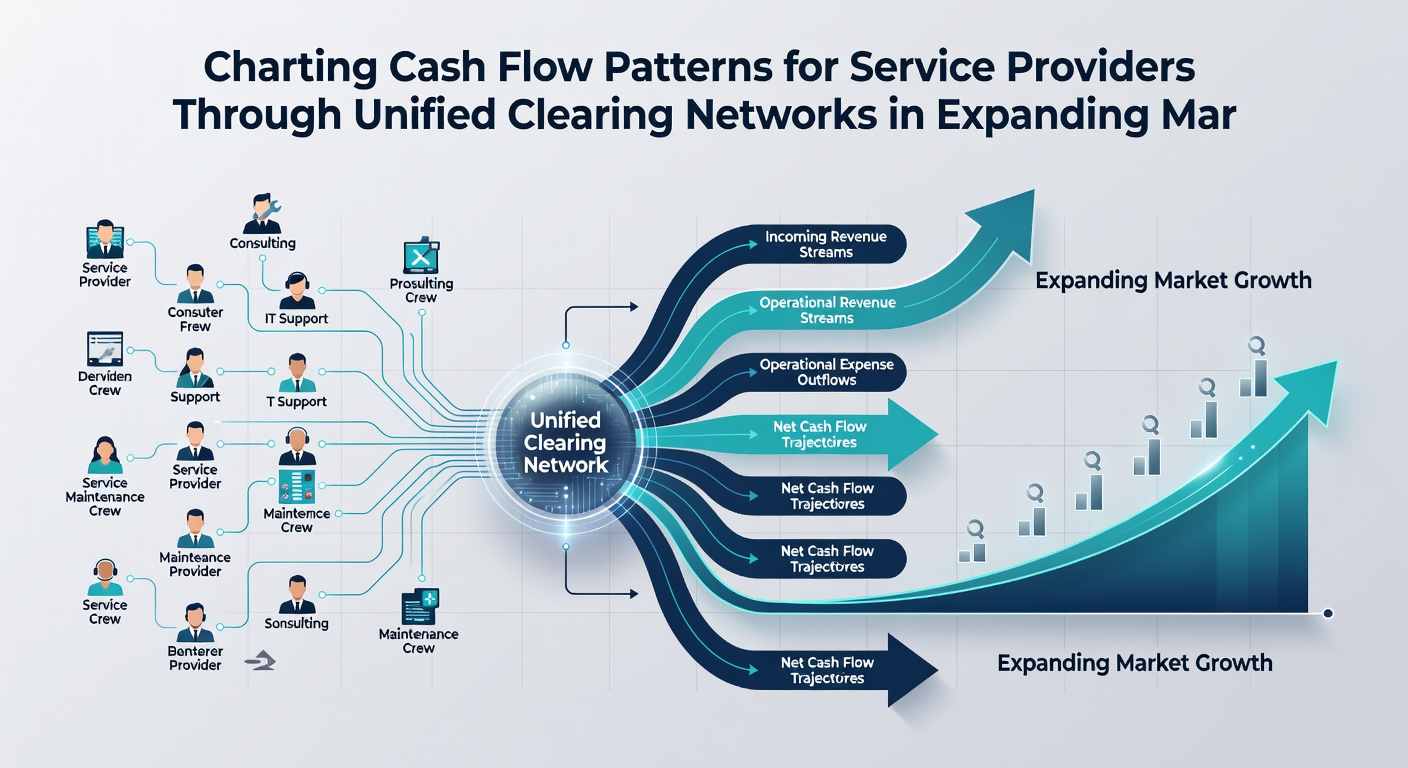
Modern charting platforms pull live feeds from unified networks and render them as layered dashboards. Heat maps display concentration of inflows by time of day while waterfall charts illustrate the impact of fees, chargebacks, and reserve releases on net available cash. Providers who have implemented these tools report fewer manual journal entries because the system automatically tags each settlement line with its originating contract or service milestone.
Advanced users apply machine-learning overlays that flag deviations from established patterns. When a previously stable client segment begins showing delayed clearing times, the system surfaces an alert that prompts investigation into either network congestion or changes in the client's payment behavior. European Central Bank working papers from 2025 describe similar detection layers deployed across euro-area clearing members with measurable reductions in exception handling time.
Integration With Internal Systems
Service providers link clearing data feeds directly to enterprise resource planning modules so that revenue recognition occurs automatically once settlement confirmation arrives. This integration eliminates the lag that used to exist between cash receipt and accounting close. Accounts receivable teams receive exception reports only when clearing codes fall outside predefined tolerance bands, allowing them to focus attention on genuine discrepancies rather than routine matching.
Supply-chain service firms in Australia have adopted open APIs published by the country's New Payments Platform to pull clearing status into their project management software. The result is a single screen that shows both project milestones and the cash that has cleared against each milestone, giving operations managers immediate visibility into working-capital positions.
Regulatory and Operational Considerations
Regulators in multiple jurisdictions now require clearing participants to maintain audit trails that span at least seven years. Unified networks satisfy this mandate by storing immutable records that include originating IP addresses, authorization timestamps, and final settlement identifiers. Compliance officers therefore retrieve complete cash-flow histories without assembling records from disparate bank portals.
Operational resilience has also improved. When one clearing node experiences an outage, traffic reroutes automatically through backup nodes that maintain synchronized ledgers. Service providers have observed that failover events rarely disrupt their internal forecasting models because the underlying data formats remain consistent across nodes.
Conclusion
Unified clearing networks have become the standard infrastructure through which service providers in expanding markets obtain granular, timely views of their cash positions. By consolidating settlement data and supporting standardized reporting formats, these networks enable the construction of accurate cash-flow charts that reflect both daily activity and longer-term cycles. Continued upgrades scheduled through 2026 and beyond are expected to extend real-time capabilities to additional regions while preserving the data integrity required for regulatory compliance and internal planning.