Connecting Digital Ledgers to Automated Billing Tools: How Gateway Interfaces Streamline Credit Authorizations and Invoice Cycles for Service Providers
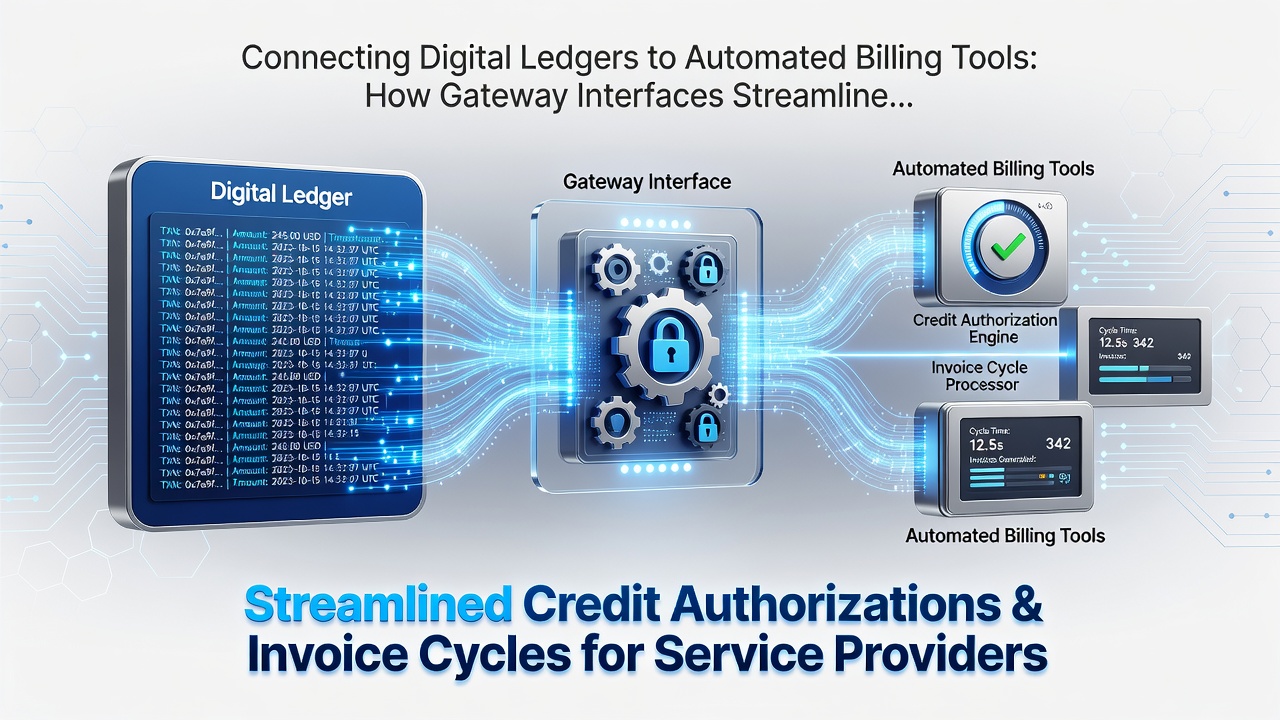
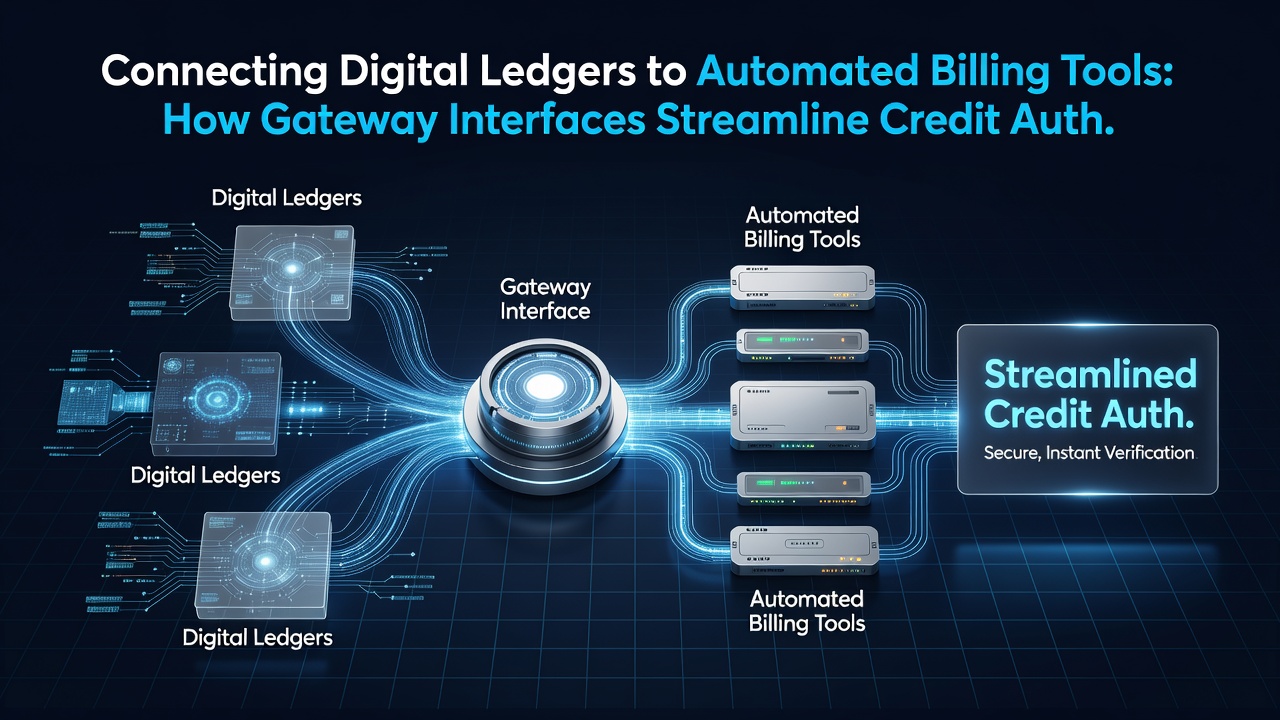
Service providers across multiple industries rely on precise coordination between financial records and billing operations, and gateway interfaces serve as the technical bridges that link digital ledgers directly to automated billing platforms. These connections allow transaction data to flow from authorization events into invoice generation without manual re-entry, which reduces discrepancies that arise when separate systems operate in isolation. Data from industry reports indicates that synchronized systems handle credit authorizations in real time while updating ledger entries and triggering invoice cycles automatically.
Mechanics of Gateway Interfaces in Ledger-to-Billing Connections
Gateway interfaces operate through standardized application programming protocols that translate authorization requests into ledger updates and then route confirmed charges into invoice creation sequences. When a service provider processes a credit authorization, the interface captures the transaction details, including amount, timestamp, and account identifiers, then pushes those records into the digital ledger while simultaneously queuing the corresponding invoice. Observers note that this dual-path handling occurs within milliseconds, allowing service providers to maintain accurate cash flow visibility without separate reconciliation steps.
Researchers at academic institutions have examined how these interfaces incorporate validation checks that compare authorization outcomes against existing ledger balances before invoice finalization proceeds. In cases where authorization succeeds but ledger discrepancies appear, the system flags the transaction for review rather than completing the invoice cycle. This approach prevents downstream errors that compound when billing systems generate invoices based on incomplete or mismatched data.
Impact on Credit Authorization Workflows for Service Providers
Service providers that connect digital ledgers to billing tools through gateway interfaces experience authorization processes that update multiple records in one sequence. The interface receives the authorization code from the payment network, records it in the ledger as a pending receivable, and prepares an invoice draft that activates once the authorization settles. Figures from payment network analyses reveal that providers using integrated gateways complete authorization-to-invoice transitions faster than those relying on disconnected tools.
During July 2026, updates to certain gateway protocols introduced enhanced timestamp synchronization features that align authorization events with ledger postings across different time zones. Service providers operating internationally found these adjustments reduced timing mismatches that previously delayed invoice cycles by several hours. The changes also included expanded error code handling that maps authorization declines directly to ledger notations without requiring additional data entry.
Invoice Cycle Automation Through Connected Systems
Automated invoice cycles benefit when gateway interfaces pull settled authorization data to populate invoice fields such as line items, tax calculations, and payment terms. The ledger system supplies historical account information that the interface cross-references with new charges, ensuring each invoice reflects accurate client balances. According to reports from the European Central Bank, organizations that implemented these connections observed measurable decreases in invoice revision requests from clients.
One case documented by researchers at a Canadian university involved a consulting firm that linked its ledger to billing software via a gateway interface. The setup automatically generated recurring invoices for retainer clients once monthly authorizations cleared, and the system adjusted future cycles based on ledger-recorded payment histories. This eliminated manual review of each authorization before invoice dispatch.
Security and Compliance Considerations in Interface Design
Gateway interfaces incorporate encryption standards that protect data moving between ledgers and billing tools during authorization and invoice stages. Service providers must ensure these connections meet regulatory requirements set by bodies such as the Australian Payments Network, which publishes guidelines on data handling in financial integrations. The interfaces typically log each data transfer, creating audit trails that link specific authorizations to generated invoices.
Those who have studied interface deployments report that tokenization methods replace sensitive card details with unique identifiers during ledger updates, which limits exposure while preserving the ability to reconcile charges with invoices. Compliance teams at service providers review these logs regularly to confirm that authorization records match invoice outputs exactly.
Conclusion
Gateway interfaces that connect digital ledgers to automated billing tools enable service providers to process credit authorizations and generate invoices through coordinated sequences rather than isolated steps. The technical linkages reduce manual intervention while maintaining accurate records across both systems. As protocol updates continue, such as those observed in mid-2026, the precision of these connections supports consistent handling of transaction data from authorization through invoice completion. Service providers that adopt these integrations maintain synchronized financial records that reflect real-time authorization outcomes and automated billing actions.