Harmonizing In-Store and Digital Ledgers: How Unified Connectors Fortify Recurring Charge Security for Retail Operators
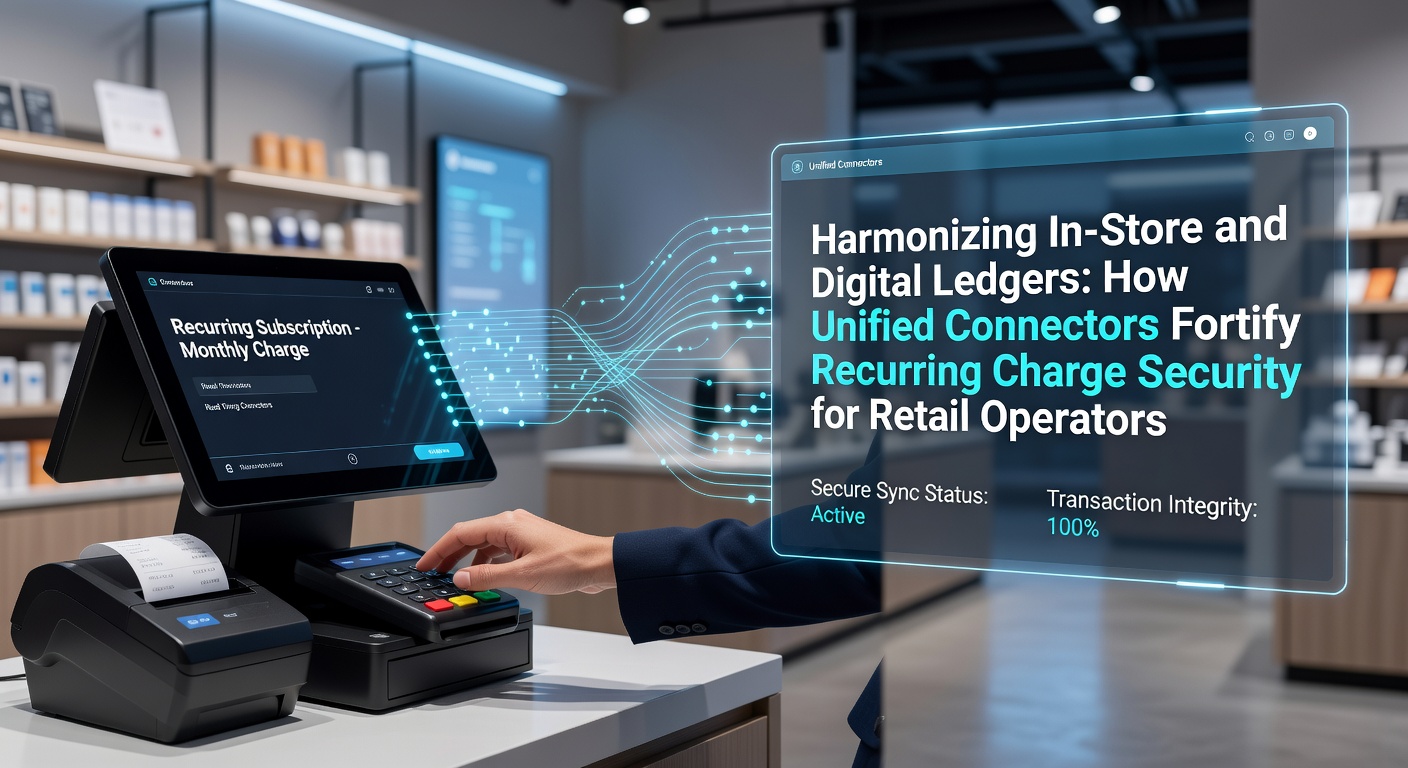 Retail operators face growing pressure to manage recurring charges across both physical storefronts and online channels without creating security gaps, and unified connectors have emerged as a practical solution for aligning separate ledger systems. These connectors function as middleware layers that synchronize transaction data between point-of-sale devices and cloud-based digital platforms, allowing real-time updates that reduce discrepancies in billing records. Research indicates that fragmented ledgers contribute to higher rates of authorization failures during repeat payments, particularly when customer data moves between in-store enrollment and subsequent digital processing. Operators who implement these tools report improved visibility into charge histories, since a single connector can pull records from both environments and apply consistent validation rules. Data from industry monitoring shows that synchronized ledgers help flag unusual patterns earlier, such as mismatched billing addresses or sudden changes in transaction frequency. This matters because recurring charges often span multiple months or years, increasing exposure to fraud if initial verification steps differ by channel.
Integration Mechanisms Behind Ledger Alignment
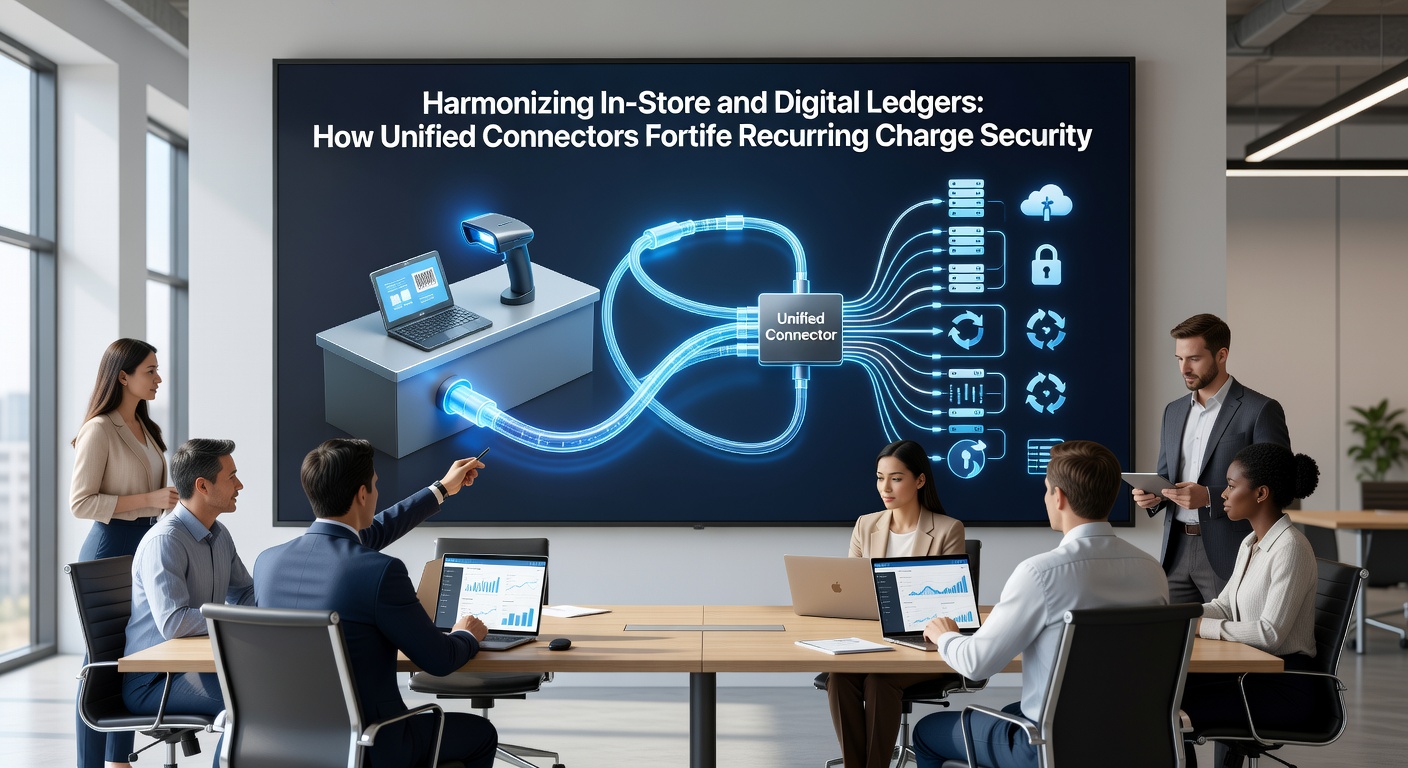
Unified connectors operate through standardized APIs that map fields from legacy POS software to modern digital ledger formats, handling currency conversions and tax calculations automatically during each sync cycle. Observers note that these mappings rely on tokenization standards to replace sensitive card details with unique identifiers, ensuring that neither system stores full account numbers after the initial capture. Studies conducted by payment networks reveal that such token sharing across channels lowers the risk of data breaches during recurring authorization requests.
Retail chains in North America have adopted connectors that perform batch reconciliation every few hours, comparing in-store loyalty sign-ups against online subscription activations to catch duplicate or conflicting entries. This process uses checksum algorithms to verify data integrity before any charge is queued, and it incorporates rules from the PCI Security Standards Council guidelines on secure data transmission. When a connector detects an inconsistency, it pauses the recurring sequence and routes the case for manual review rather than allowing the charge to proceed.
Security Enhancements for Recurring Transactions
Security gains appear most clearly in fraud prevention layers that now span both environments, where connectors feed transaction metadata into shared machine-learning models trained on historical chargebacks. Figures from the European Central Bank indicate that cross-channel visibility reduces unauthorized recurring payments by enabling quicker identification of compromised credentials. Operators can apply velocity checks uniformly, limiting the number of attempts from a single device or location regardless of whether the original enrollment occurred at a register or through a website portal.
Additional protections include dynamic CVV updates routed through the connector, which refreshes verification codes for stored credentials without requiring customer re-entry at each billing cycle. This approach aligns with updates expected in global payment frameworks around May 2026, when several networks plan to enforce stricter requirements for multi-channel authentication. Retailers already testing these features have documented fewer declines on legitimate recurring charges because the system maintains accurate, up-to-date ledger states.
Operational Examples Across Retail Segments
Grocery chains provide one clear illustration, where loyalty programs enrolled at physical locations feed directly into recurring delivery subscriptions managed online. Connectors ensure that any in-store price adjustments or promotions automatically update the digital billing schedule, preventing overcharges that could trigger disputes. Similar patterns appear in specialty retail, where equipment rentals initiated through store terminals link to ongoing service fees processed digitally, with the connector maintaining a unified audit trail for compliance reporting.
Pharmacy operators have applied the same technology to prescription refill programs, synchronizing patient consent records captured at the counter with automated monthly billing systems. The result is a continuous ledger that supports both regulatory audits and internal loss-prevention reviews without manual data transfers that introduce errors.
Conclusion
Unified connectors continue to reshape how retail operators protect recurring revenue streams by creating reliable bridges between in-store and digital ledger environments. The technology delivers consistent security controls and reconciliation processes that address the specific risks of repeat billing across channels. As payment networks prepare for enhanced standards in coming years, these integration tools provide a foundation for maintaining accurate records and reducing exposure during authorization events. Retailers evaluating their current setups can examine connector capabilities that already align with established data-protection frameworks to support secure operations moving forward.