How Niche Vendors Align Automated Billing Cycles With Emerging Mobile Authorization Protocols In Expanding Markets
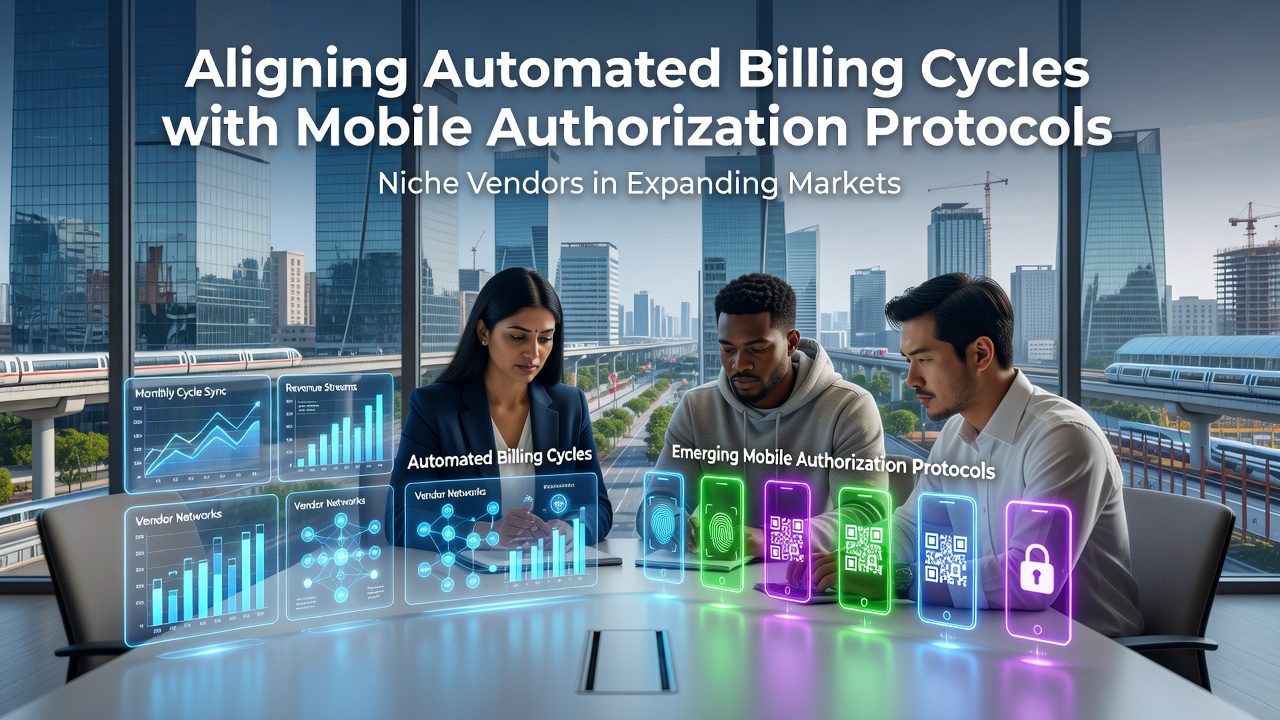
Specialized vendors operating in growing economies coordinate automated billing systems with new mobile authorization methods to handle recurring payments efficiently across digital and physical channels. These vendors often work in sectors like artisanal goods, regional services, and localized e-commerce where customer bases expand rapidly through mobile adoption. Research from institutions such as the Bank for International Settlements shows that mobile transaction volumes in emerging regions grew steadily through 2025, prompting vendors to synchronize billing software with authorization layers that rely on device-based tokens and biometric checks.
Core Components of Automated Billing in Niche Operations
Vendors set up billing cycles that trigger charges at fixed intervals while linking each step to mobile authorization protocols that verify user identity in real time. Systems pull data from inventory updates and customer preferences to adjust charge amounts automatically, then route requests through mobile gateways that support protocols like EMVCo tokenization standards updated in recent years. Observers note that this alignment reduces failed transactions because authorization happens on the device before the billing engine commits the charge, creating a tighter loop between stock availability and payment confirmation.
Take one craft supplier network in Southeast Asia that integrated billing software with mobile apps allowing customers to approve recurring orders via fingerprint scans on their phones. The process pulls live inventory signals into the billing sequence so charges only process when items remain in stock, and data from regional payment networks indicate such integrations cut authorization declines by measurable margins during peak seasons.
Mobile Authorization Protocols Gaining Traction
Emerging protocols emphasize dynamic tokens generated on mobile devices rather than static card details, allowing vendors to embed authorization checks directly into billing automation. These methods incorporate elements such as location verification and behavioral analytics that run on the customer's phone before any charge request reaches the processor. In June 2026 several markets in Latin America began piloting enhanced versions of these protocols that tie mobile authorization to national digital ID frameworks, enabling niche vendors to expand billing cycles into previously underserved customer segments without separate verification steps.
Experts tracking these developments point out that vendors achieve synchronization by mapping billing triggers to protocol endpoints so each automated cycle initiates a mobile push notification for approval. This approach works particularly well in expanding markets where smartphone penetration outpaces traditional banking infrastructure, letting small operators maintain consistent revenue streams while complying with varying regulatory requirements across borders.
Alignment Strategies Across Regions
Vendors in African and South Asian markets often deploy middleware that translates between legacy billing platforms and newer mobile authorization APIs, ensuring cycles adapt to protocol changes without manual intervention. One documented case involved a network of seasonal produce sellers who linked their recurring delivery charges to mobile authorization systems that update in response to real-time currency fluctuations reported by central banks. The setup uses conditional logic in the billing code to pause or modify cycles when authorization protocols flag potential mismatches in device or user data.
Additional coordination comes through shared ledgers that record both inventory movements and authorization outcomes, allowing vendors to audit cycles quickly. Research indicates that such unified data flows help operators in expanding markets maintain compliance with data protection rules that differ by jurisdiction, since mobile protocols frequently include built-in consent mechanisms tied to each billing event.

Technical Integration Patterns
Integration typically begins with API connections that feed mobile authorization results straight into billing engines, bypassing intermediate manual reviews. Vendors configure rules so that successful device-level approvals automatically advance the cycle to settlement, while failed checks trigger customer notifications and temporary holds on future charges. This pattern appears frequently in hybrid retail models where vendors sell through both physical stalls and online storefronts, because mobile protocols support offline authorization caching that syncs once connectivity returns.
Those who have implemented these systems report smoother cash flow because authorization and billing operate as a single sequence rather than separate stages. Data from academic studies on digital payments in emerging economies highlight that vendors using these alignments experience fewer interruptions during market expansion phases, particularly when scaling to new customer groups that rely exclusively on mobile wallets.
Future Developments in Protocol Compatibility
Standards bodies continue refining mobile authorization specifications to support more granular billing adjustments, such as variable cycle lengths based on usage data collected through apps. Niche vendors preparing for these updates test compatibility layers that map existing automated cycles to protocol revisions ahead of rollout dates. In expanding markets where regulatory updates occur frequently, this forward alignment helps operators avoid disruptions when new authorization requirements take effect.
Conclusion
Niche vendors achieve reliable alignment between automated billing cycles and mobile authorization protocols by embedding verification steps into every recurring charge sequence, leveraging device tokens and real-time data feeds to maintain consistency across expanding operations. The approach supports growth in markets where mobile infrastructure leads payment adoption, connecting inventory signals directly to authorization outcomes for reduced processing friction. As protocols evolve through 2026 and beyond, vendors who maintain flexible integration points position their billing systems to accommodate updates without overhauling core operations.