Inside the Workflow: Linking Mobile Sales Apps to Supplier Invoicing for Craft Fair Operators
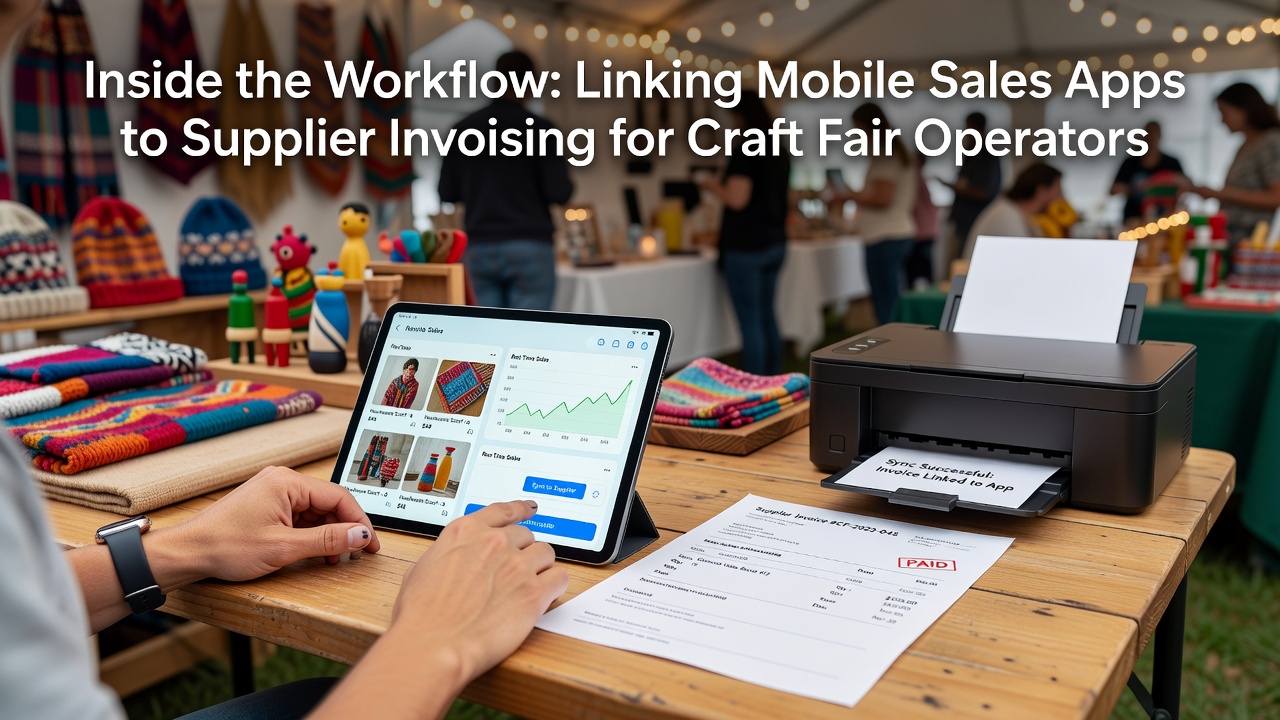
Craft fair operators manage sales through mobile applications that capture transactions in real time while they coordinate with suppliers who issue invoices for restocking materials adn goods. These workflows connect point-of-sale data from handheld devices directly to accounting systems that generate and track supplier invoices, and the process relies on standardized data formats such as CSV exports or API endpoints that push daily totals into invoicing platforms.
Mobile Sales Applications in Seasonal Retail Settings
Operators at craft fairs load inventory details into mobile apps before events begin, and the software tracks item quantities as sales occur throughout the day. When stock levels drop below preset thresholds the applications flag reorder needs that later feed into supplier invoice creation. Research from small business technology assessments indicates that more than 65 percent of seasonal vendors now rely on these apps for transaction logging, inventory counts, and basic receipt printing during multi-day outdoor markets.
Connectivity at fairgrounds often depends on cellular networks or portable hotspots because many venues lack reliable Wi-Fi. Applications cache transaction records locally when signals weaken and then synchronize once connections restore, which prevents data loss during peak hours. According to the U.S. Small Business Administration guidance on mobile commerce tools, operators who maintain offline functionality experience fewer reconciliation errors when matching end-of-day totals against supplier orders.
Data Pathways Between Sales Records and Supplier Invoices
Once daily sales close, mobile apps export structured data that includes item identifiers, quantities sold, and payment totals. These exports import into invoicing software used by the same operators or their bookkeepers, and matching algorithms pair sold items with corresponding supplier SKUs to calculate reorder quantities. The resulting draft invoices list specific products, unit costs, and delivery windows that suppliers have pre-approved through standing agreements.
Integration layers such as Zapier or custom scripts handle the transfer when native connectors do not exist between a chosen sales app and an accounting package. Observers note that craft fair vendors frequently schedule these transfers for the evening after markets close so that morning reviews can confirm invoice accuracy before transmission to suppliers. Data shows that automated matching reduces manual entry time by approximately 40 percent compared with spreadsheet-based methods.
Inventory Synchronization and Reorder Triggers
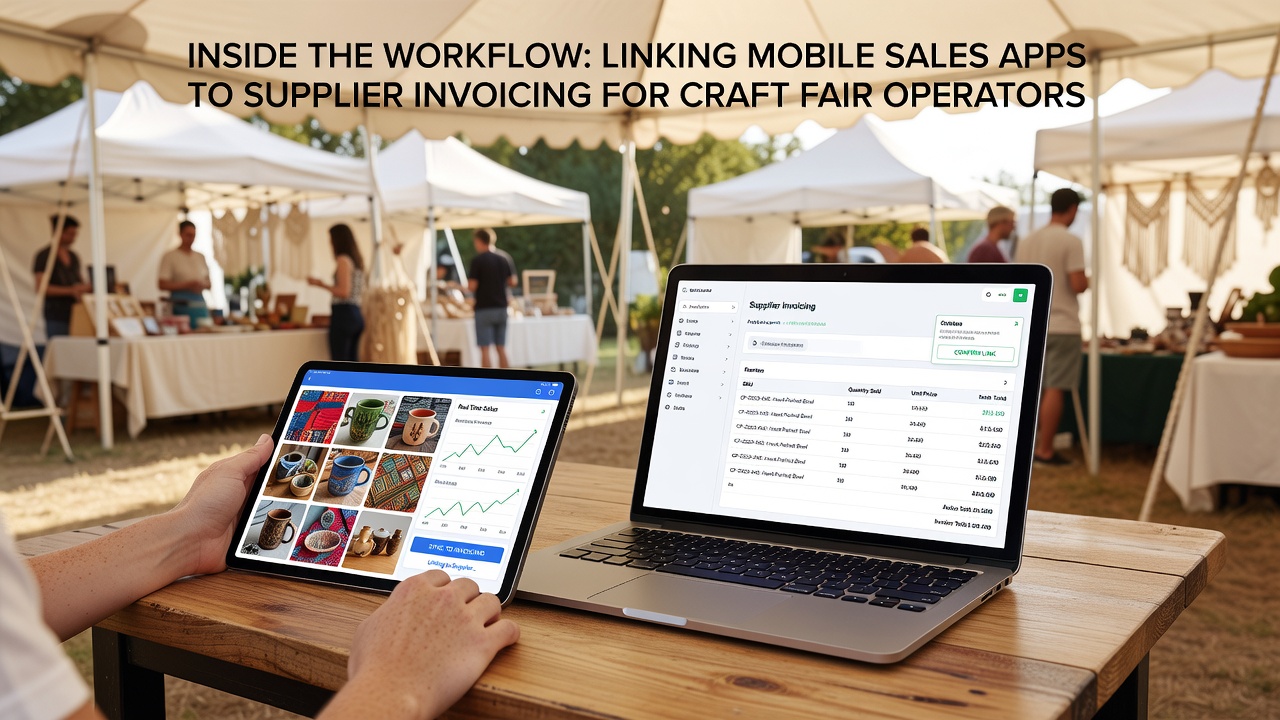
Supplier invoices update when sales data triggers reorder points inside the linked system. For example an operator who sells 30 hand-thrown mugs during a weekend event sees the app reduce mug inventory by that amount, and once the count falls below the minimum threshold the system generates a purchase order that converts into a supplier invoice. Those who have studied seasonal retail patterns report that this loop keeps booth stock aligned with actual demand rather than estimated projections.
June 2026 figures from craft industry surveys reveal that vendors using synchronized systems maintained average stock accuracy rates above 92 percent across three-month fair seasons. The same datasets indicate that operators who manually reconciled invoices experienced discrepancies in nearly one-quarter of their supplier orders during comparable periods.
Payment Confirmation and Invoice Settlement
After customers complete purchases through the mobile app, transaction confirmations travel to the linked accounting platform and attach to the corresponding supplier invoice as revenue references. This attachment allows operators to track cash inflows against upcoming supplier payments and to identify any shortfalls that require adjustments before settlement dates arrive. Industry reports highlight that clear linkages between incoming payments and outgoing invoices help seasonal businesses maintain positive cash positions during slower months between major fairs.
Operators also configure approval workflows so that draft invoices route to suppliers only after sales data verification. Suppliers receive electronic copies that include line-item details pulled directly from the mobile sales records, which reduces disputes over quantities or pricing. Research indicates that electronic invoice delivery shortens average payment cycles by five to seven days compared with paper-based methods.
Security Protocols and Record Retention
Payment data that moves between mobile apps and invoicing systems passes through encrypted channels that comply with payment card industry standards. Operators store transaction logs and supplier invoices in cloud repositories that retain records for the seven-year period required by most tax authorities. Access controls limit invoice editing privileges to designated users while still permitting suppliers to view approved purchase orders in real time.
Conclusion
The workflow that links mobile sales applications to supplier invoicing enables craft fair operators to maintain accurate inventory counts, generate timely purchase orders, and settle accounts with reduced manual intervention. As connectivity tools and data standards continue to evolve, seasonal vendors gain clearer visibility into both revenue streams and supply obligations throughout each market cycle.