Integrating Inventory Signals with Automated Charge Authorizations Across Hybrid Retail Networks
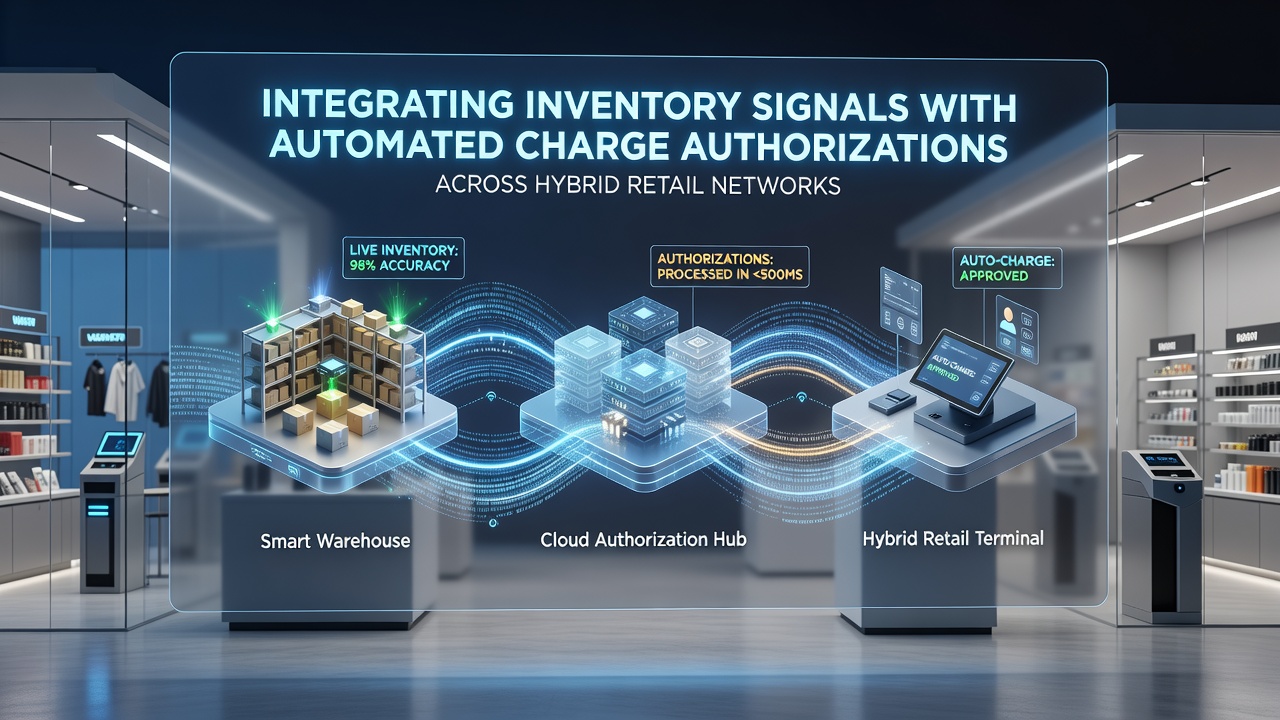 Retail operators across hybrid networks connect inventory tracking platforms directly to payment authorization engines so that stock level changes trigger or halt charge sequences in real time. Systems pull live data from point-of-sale terminals, e-commerce platforms, adn warehouse sensors then route those signals through middleware layers that evaluate availability before any card or account is charged. This linkage prevents overselling while maintaining continuous transaction flow across physical and digital channels.
Core Components of Signal Flow
Inventory management software records unit counts at multiple locations and pushes updates via APIs to a central orchestration layer, while authorization gateways receive those same updates as conditional parameters. When a product drops below a preset threshold the system flags the item, blocks new authorizations, and notifies fulfillment teams without interrupting existing orders already in process. Data from June 2026 shows major chains reduced stock discrepancies by routing these signals every fifteen seconds rather than relying on batch updates at the end of each shift.
Hybrid setups require standardized data formats so that an in-store scanner and an online cart both feed the same inventory ledger, yet each channel retains its own payment processor. Middleware translates quantity fields into authorization rules, allowing the payment side to approve or decline based on confirmed availability rather than projected stock. Observers note that retailers using this method cut partial shipments and backorder notifications substantially compared with decoupled systems.
Implementation Patterns in Multi-Channel Operations
Some networks deploy edge computing nodes inside stores to process local inventory events before they reach the central payment cloud, which shortens response time when connectivity fluctuates. Others rely on cloud-native microservices that poll both inventory databases and payment queues simultaneously, applying business rules such as reserving units only after the authorization hold succeeds. Take one electronics chain that synchronized tablet availability across 180 locations; the integration allowed the system to reserve units for online buyers only when physical stock remained above a safety margin, resulting in fewer canceled orders during peak periods.
Technical Synchronization Methods
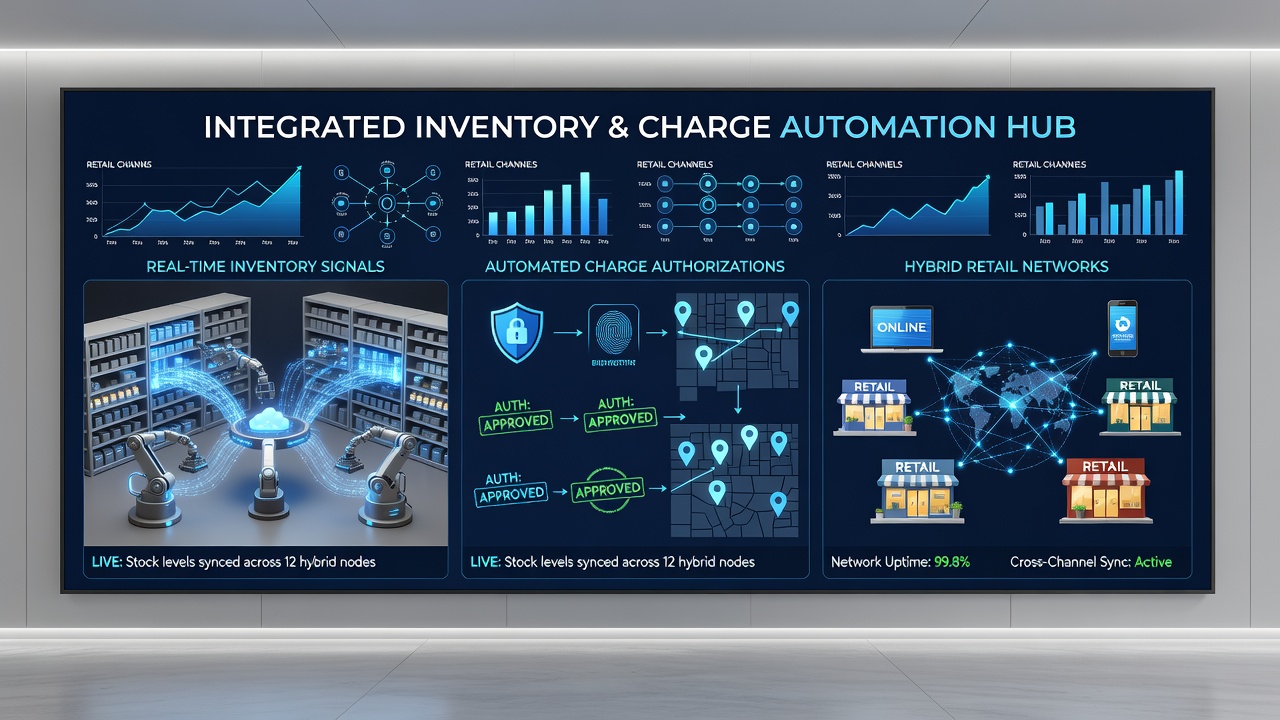
Event-driven architectures publish inventory changes as messages that payment services subscribe to, creating a publish-subscribe loop where each depletion event can instantly alter authorization logic. Batch-oriented retailers instead schedule reconciliation jobs every few minutes, pulling delta reports from inventory tables adn pushing revised authorization limits to their gateways. Both approaches support rollback mechanisms so that if a charge fails after inventory has been reserved the system releases the units back into available stock without manual intervention.
Security protocols wrap these exchanges in encrypted channels and require mutual authentication between inventory and payment endpoints, satisfying requirements outlined in reports from the National Retail Federation. European operators additionally align with data-handling standards from the EuroCommerce federation to ensure cross-border consistency when signals travel between member states.
Operational Outcomes Across Retail Segments
Fashion retailers using the combined approach report tighter alignment between online pre-orders and in-store replenishment cycles, while grocery operators apply the same logic to perishable goods that carry shorter authorization windows. Seasonal vendors who coordinate craft fairs with online storefronts feed real-time booth inventory into their payment processors so that items sold at temporary locations disappear from digital catalogs within minutes. Research from university supply-chain studies indicates these integrations lower fulfillment costs because fewer orders require manual review for stock conflicts.
Conclusion
Hybrid retail networks continue to refine the connection between inventory signals and automated charge sequences by adopting faster data pipelines and stricter validation rules. The result is a closed-loop process in which availability directly governs whether a charge proceeds, reducing discrepancies and supporting consistent customer experiences across every sales channel. As platforms evolve, operators maintain focus on standardized messaging and secure transmission to keep both stock records and payment flows synchronized at scale.