Navigating Complexities of Cross-Border Vendor Settlements with Advanced Security Protocols in Evolving Commercial Landscapes

Cross-border vendor settlements require companies to manage payments across multiple jurisdictions where currencies fluctuate and regulatory requirements shift frequently, and businesses coordinate these transfers while maintaining compliance with varying tax codes and reporting standards. Experts observe that these transactions often span different time zones and banking systems which adds layers of operational friction that demand precise coordination between financial institutions and technology providers. Data from international financial reports indicate that volumes of such settlements continue to rise as supply chains globalize and companies source materials from diverse regions.
Key Challenges in International Vendor Payments
Regulatory divergence creates one of the primary hurdles because nations enforce distinct anti-money laundering rules and data protection frameworks that companies must satisfy simultaneously. Currency conversion risks emerge when exchange rates move between the time an invoice issues and the moment funds settle and firms employ hedging strategies to mitigate potential losses. Observers note that geopolitical events can suddenly restrict fund flows or impose new sanctions which force organizations to reroute payments through alternative corridors while preserving audit trails.
Time zone differences further complicate reconciliation because banking hours rarely align across continents and teams often wait for confirmations that arrive during off-peak periods. Research from the Bank for International Settlements shows that delays in settlement cycles increase exposure to operational errors and fraud attempts that target incomplete transaction records. Those who handle high volumes of these payments report that manual intervention remains common when automated systems encounter mismatched documentation or unexpected compliance flags.
Advanced Security Measures for Secure Transactions
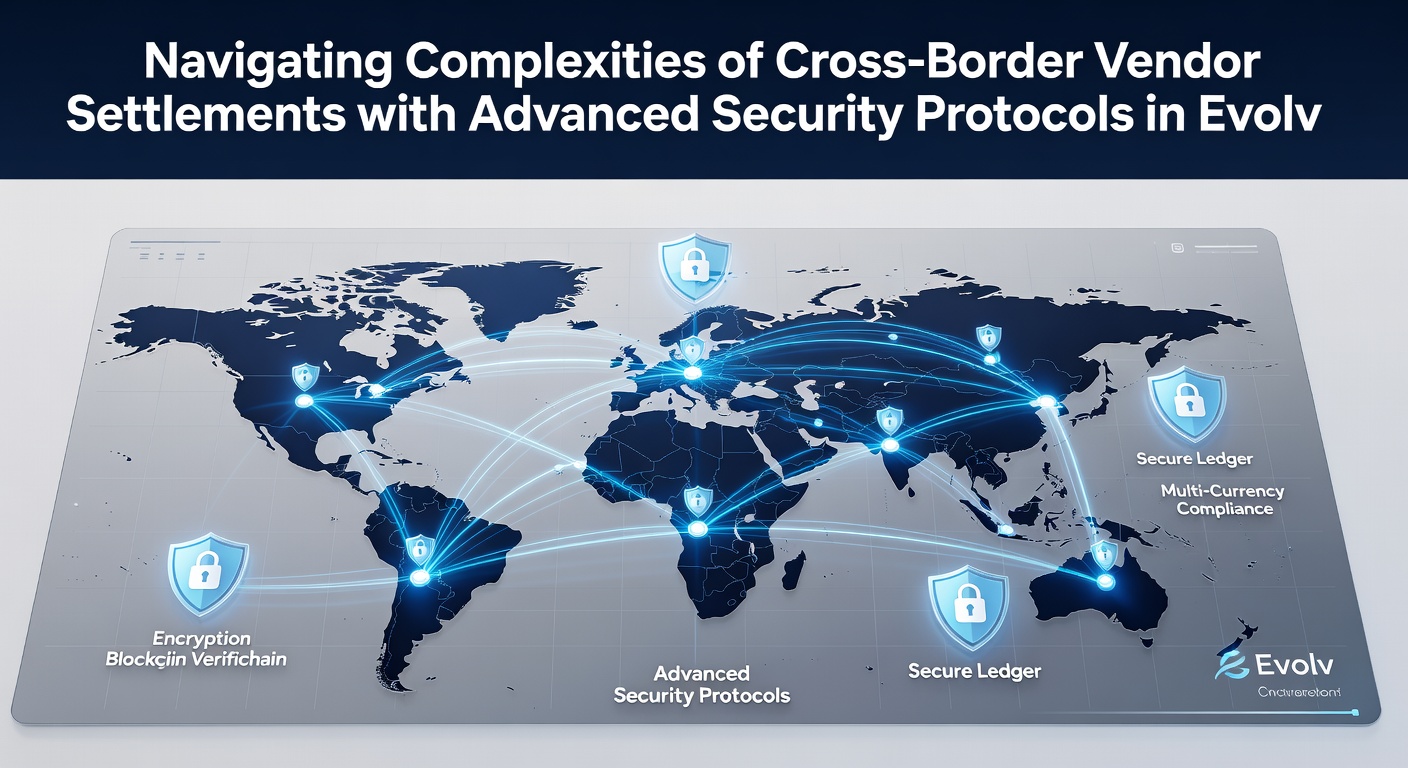
Encryption protocols protect sensitive financial data during transmission and storage while tokenization replaces actual account numbers with unique identifiers that reduce the value of intercepted information. Multi-layered authentication combines biometrics with device recognition and behavioral analytics so systems can flag unusual access patterns before they escalate into breaches. According to findings from the European Central Bank, adoption of these layered defenses has reduced successful intrusion attempts in payment networks by measurable margins in recent years.
Blockchain-based ledgers provide immutable records of each settlement step and allow all parties to verify transaction history without relying on centralized databases that present single points of failure. Real-time monitoring tools powered by machine learning scan for anomalies such as unusual payment amounts or atypical vendor locations and trigger alerts that enable rapid response. Companies integrate these technologies into existing enterprise resource planning platforms to maintain visibility across the entire settlement workflow.
Regulatory Developments and Technology Integration
Standards bodies continue to refine frameworks that govern cross-border data movement and financial messaging formats and updates scheduled for May 2026 aim to harmonize certain reporting requirements across participating economies. Organizations that prepare for these changes by upgrading their systems ahead of deadlines position themselves to avoid disruptions when new rules take effect. The Australian Securities and Investments Commission has published guidance on how firms can align security controls with emerging international norms and this resource helps companies map their current practices against expected benchmarks.
Application programming interfaces connect banks, payment processors and enterprise systems so data flows securely without repeated manual entry and these connections support automated compliance checks that validate vendor credentials in multiple jurisdictions at once. Observers note that firms adopting such integrations experience fewer reconciliation errors because information updates propagate instantly across platforms. Studies from academic research groups reveal that organizations using API-driven reconciliation reduce settlement times by significant percentages compared with legacy batch processing methods.
Practical Approaches Observed in Industry
Take one multinational manufacturer that sources components from suppliers in Asia and Europe and this company routes settlements through a centralized platform equipped with dynamic compliance engines that adjust to local regulations in each market. The system applies jurisdiction-specific security rules automatically and logs every verification step for audit purposes. Teams monitor performance dashboards that highlight pending settlements and flag those requiring additional documentation before funds release.
Another case involves a logistics provider that handles vendor payments across Latin American and North American corridors and this firm implemented end-to-end encryption combined with continuous transaction monitoring to address rising fraud patterns targeting mid-sized transfers. Results from their internal metrics indicate faster dispute resolution and reduced chargeback rates after deployment. Industry associations such as the International Chamber of Commerce compile case studies that demonstrate how similar protocols scale across different company sizes and sectors.
Conclusion
Cross-border vendor settlements continue to evolve alongside technological advances and regulatory updates that shape how organizations manage security and compliance. Firms that combine encryption standards, real-time analytics and API connectivity maintain operational continuity while meeting requirements that vary by region. Data indicate that preparation for changes expected in May 2026 will determine how smoothly companies navigate the next phase of these commercial landscapes.