Retailers Harnessing Unified Data Streams to Fortify Protection in Cycle-Based Charge Systems

Retailers face ongoing challenges when managing cycle-based charge systems that handle recurring payments across subscriptions and membership models, and many now integrate multiple data sources into single platforms to strengthen fraud detection capabilities. These unified data streams combine transaction records, customer behavior patterns, inventory details, and external risk indicators so that anomalies surface faster during authorization cycles.
Defining Unified Data Streams in Payment Contexts
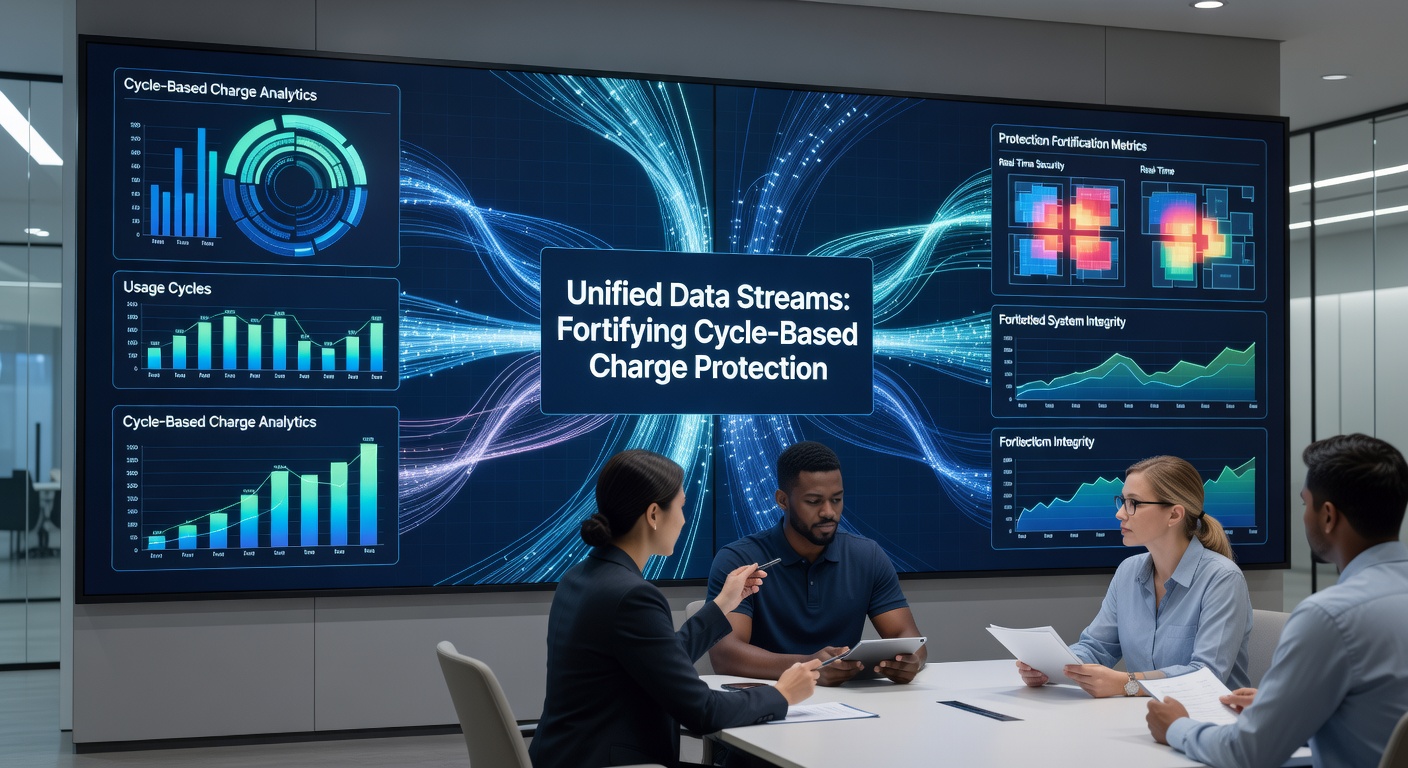
Unified data streams pull information from point-of-sale terminals, e-commerce platforms, loyalty programs, and third-party verification services into one continuous flow that updates in real time. Retailers who adopt this approach gain a consolidated view of each customer's payment history rather than relying on isolated snapshots that leave gaps during recurring charge attempts.
According to a 2025 Federal Reserve study on retail payment innovations, organizations that merged internal sales data with external credit bureau feeds reduced unauthorized recurring transactions by measurable margins within the first six months of implementation. The same report noted that such integration supports compliance with evolving standards expected to take fuller effect by May 2026.
Implementation Steps Retailers Follow
Teams begin by mapping every data source that touches a cycle-based charge, then establish secure application programming interfaces that feed those sources into a central analytics engine. Once connected, algorithms scan for deviations such as sudden changes in device location, mismatched billing addresses, or velocity spikes that exceed historical norms for a given account.
One mid-sized electronics retailer documented its process in an industry case study published by Payments Canada, showing how the company layered geolocation data from mobile apps atop traditional card details to flag high-risk renewals before they processed. This method allowed the system to pause suspicious charges and trigger manual review without interrupting legitimate customer experiences.
Security Advantages That Emerge from Integration
Because unified streams operate continuously, patterns that span multiple billing cycles become visible earlier, allowing systems to block fraudulent activity before losses accumulate. Retailers report that combining purchase frequency data with return histories and support ticket records creates richer profiles that improve machine learning models used for risk scoring.
Research from the European Central Bank on retail payment security indicates that firms using consolidated data feeds achieved higher precision in identifying account takeover attempts within recurring payment setups. The study highlighted that cross-referencing in-store and online activity reduced false positives, meaning fewer legitimate customers encountered unnecessary blocks.
Operational Adjustments During Rollout
Staff training focuses on interpreting alerts generated by the unified platform rather than chasing fragmented reports from separate departments. Retailers also update vendor contracts to ensure third-party processors supply compatible data formats that slot directly into the central stream without manual reformatting.
During the transition period, many organizations maintain parallel monitoring systems so that any discrepancies between legacy tools and the new unified view can be investigated quickly. This dual-check approach helps confirm that protection improvements appear consistently across all cycle lengths, whether charges occur monthly, quarterly, or annually.
Regulatory Landscape and May 2026 Developments
Upcoming guidelines expected in May 2026 emphasize the need for real-time data sharing across payment participants to combat sophisticated fraud rings that target subscription models. Retailers preparing for these requirements already test unified stream architectures against draft standards released by various oversight bodies.
Those preparations include documenting data lineage so auditors can trace how each element in a risk decision connects back to its original source. Clear audit trails become especially valuable when cycle-based charges span international borders and involve multiple regulatory jurisdictions.
Measuring Results Over Time
Performance tracking relies on metrics such as chargeback ratios, authorization approval rates, and time-to-resolution for flagged transactions. Retailers that publish internal benchmarks show consistent declines in fraud losses once unified streams reach full operational capacity, typically within nine to twelve months.
Academic papers from institutions studying fintech risk management have examined similar deployments and found that the breadth of data inputs directly correlates with detection accuracy across different merchant categories. The findings underscore that success depends less on any single technology and more on the quality and completeness of the combined data flow.
Conclusion
Retailers continue to refine unified data stream strategies as cycle-based charge systems grow more complex and regulatory expectations tighten. By connecting disparate information sources into cohesive flows, organizations gain earlier visibility into potential threats while maintaining smoother payment experiences for customers. Ongoing adjustments through 2026 and beyond will likely focus on expanding these integrations to include emerging data types such as biometric signals and device health indicators, further strengthening defenses without adding friction to legitimate recurring transactions.