Silent Sentinels: API Integrations That Block Fraud in Merchant Subscription Billing
Silent Sentinels: API Integrations That Block Fraud in Merchant Subscription Billing
The Quiet Rise of Fraud in Subscription Models
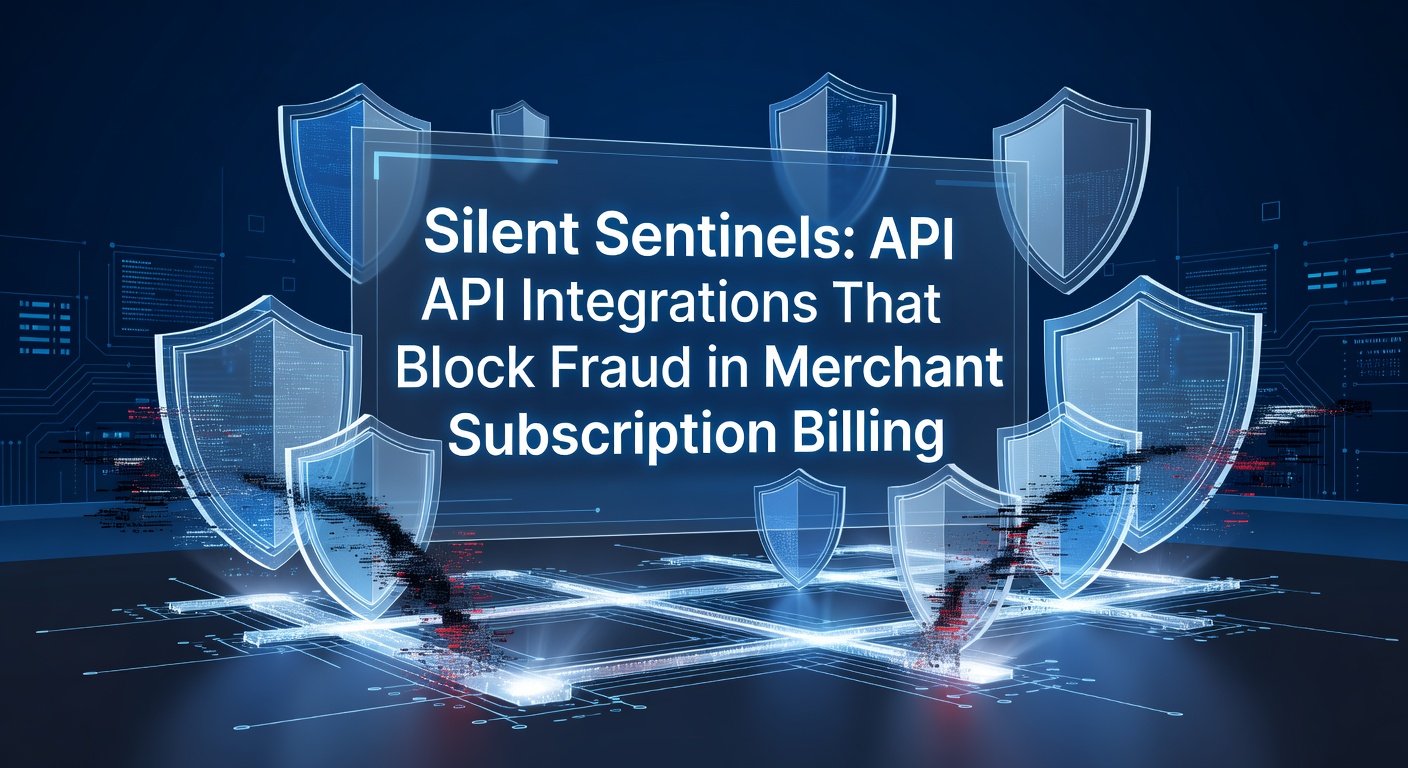
Subscription billing has exploded in recent years, with merchants relying on recurring payments for everything from streaming services to meal kits, yet fraudsters have followed suit, exploiting the automated nature of these systems to siphon funds quietly and at scale. Data from the Federal Trade Commission reveals that complaints about unwanted subscriptions surged by 25% in 2023 alone, while experts note that unauthorized recurring charges often stem from stolen card details or synthetic identities created specifically to game trial periods. But here's the thing: API integrations have emerged as silent sentinels, operating in the background to flag anomalies before they drain merchant accounts; these tools connect payment gateways, fraud detection services, and merchant platforms seamlessly, allowing real-time scrutiny without disrupting legitimate customer flows.
Observers point out that traditional fraud checks, like one-off CVV verifications, fall short in subscription scenarios where charges recur months later, so APIs step in to monitor patterns over time, cross-referencing data across transactions and even linking it to behavioral signals from user devices. Turns out, this layered approach catches what static rules miss, with studies from industry analysts showing a 40% drop in chargebacks for merchants who deploy them effectively.
How API Integrations Work Behind the Scenes
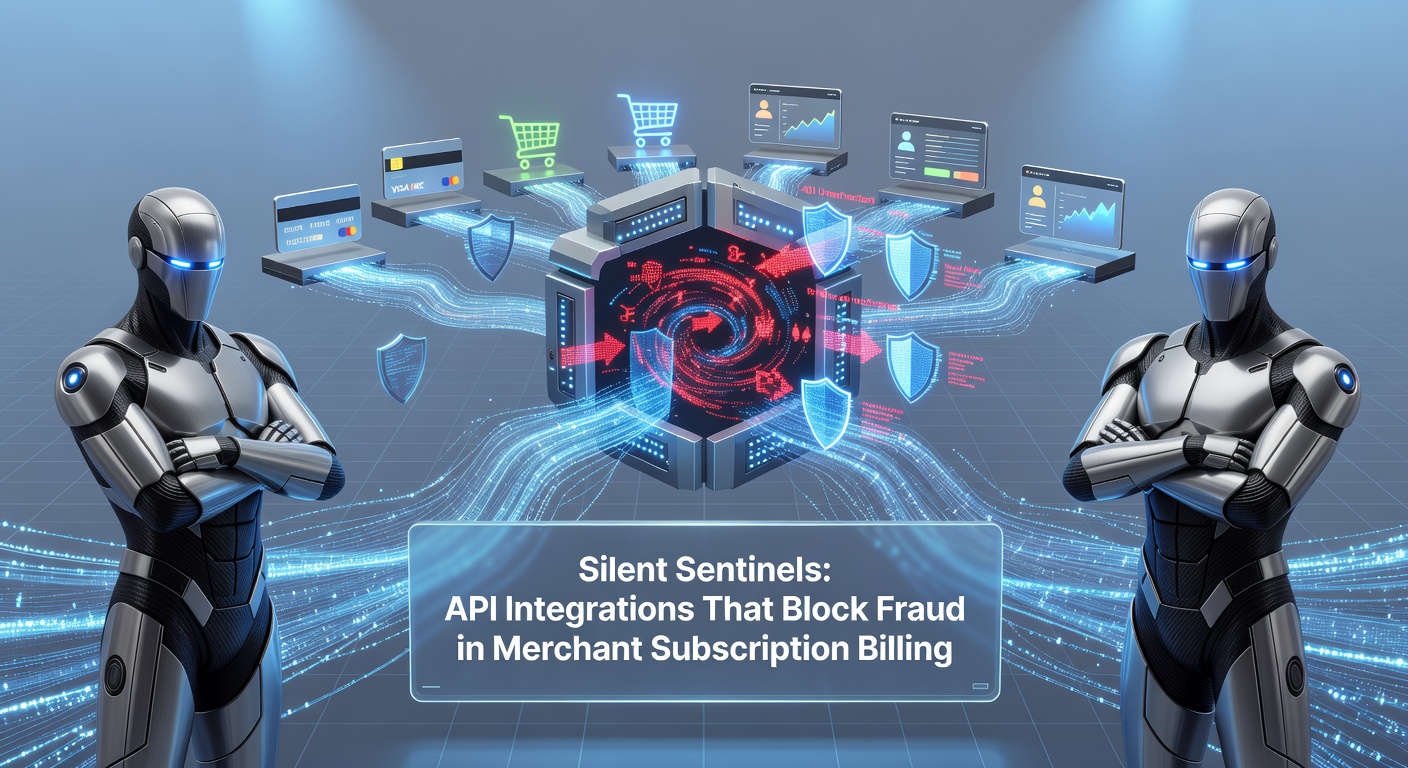
At their core, these APIs function as invisible gatekeepers, pulling in data from multiple sources—payment processors, device intelligence providers, and even email validation services—then applying machine learning models to score each transaction's risk in milliseconds. Merchants integrate them via simple SDKs or RESTful endpoints, where a subscription signup triggers an instant API call that verifies not just the card but the entire context, including IP geolocation, browser fingerprints, and historical velocity across the merchant's ecosystem.
And while setup might sound complex, providers like Stripe Radar or Forter have streamlined it so even mid-sized merchants plug in with minimal code changes; the API responds with a risk score, say from 0 to 100, and merchants set thresholds to auto-approve low-risk renewals or block high-risk ones outright. What's interesting is how these systems evolve: they learn from global data pools, adapting to new tactics like account takeover where fraudsters hijack legitimate subscriptions post-trial.
Key Components of Fraud-Blocking APIs
- Velocity monitoring, which caps transactions per card or IP within set windows, preventing rapid-fire signups that signal testing stolen cards.
- Device intelligence APIs that fingerprint hardware and software traits, spotting mismatches when a card used on a MacBook suddenly appears via a virtual machine.
- 3D Secure integrations, enforcing authentication protocols like EMV 3DS 2.0 for high-value subs, as mandated in regions like the EU under PSD2.
- Network tokenization services from Visa or Mastercard, replacing raw card numbers with secure tokens that rotate automatically, slashing exposure in long-term billing.
Researchers who've dissected these flows emphasize that the real power lies in orchestration: one API might handle bin checks for card issuer details, while another cross-validates against global blacklists, all feeding into a unified decision engine that operates faster than any human reviewer could.
Real-World Deployments and Case Studies
Take a fitness app merchant who integrated PayPal's Fraud Protection APIs in early 2024; previously hammered by trial abusers signing up with burner cards, they saw fraudulent signups plummet by 67% after layering in behavioral biometrics that flagged scripted bots mimicking human navigation. So effective was this that chargeback ratios dropped below 0.5%, unlocking better interchange rates from their processor.
Or consider a SaaS provider serving e-learning courses, where Braintree's API suite caught a ring of Eastern European fraudsters using VPNs to cycle through free trials; by correlating session durations with geolocation drifts, the system quarantined 85% of attempts before the first charge, saving an estimated $250,000 in potential losses over six months. These examples highlight a pattern experts have observed: mid-tier merchants, handling 1,000 to 10,000 subs monthly, benefit most since enterprise players often build custom stacks, but off-the-shelf APIs level the playing field without massive upfront costs.
Now, in diverse markets, adaptations vary; Canadian merchants, for instance, lean on APIs compliant with Payments Canada's standards to handle cross-border subs, while Australian platforms integrate with the Australian Competition & Consumer Commission's guidelines on transparent billing, embedding consent-tracking APIs that log customer acknowledgments for disputes.
Measuring Impact: Data and Metrics That Matter
Figures from a 2025 Forrester report indicate that merchants using advanced API fraud tools reduce subscription fraud losses by up to 55%, with approval rates holding steady at 95% for genuine customers; false positives, a common gripe, hover around 1-2% when tuned properly, far better than legacy rules-based systems that often reject 10% of valid traffic. But here's where it gets interesting: in high-velocity sectors like beauty boxes or gaming micro-subs, these APIs shine by scaling effortlessly, processing millions of events daily without latency spikes.
Those who've benchmarked them note integration times averaging two weeks for plug-and-play options, versus months for bespoke solutions, and ROI materializes quickly—often within the first quarter—as prevented fraud exceeds subscription fees by 5x or more. Yet challenges persist: API rate limits can throttle during Black Friday surges unless merchants negotiate enterprise tiers, and data privacy regs like GDPR demand careful handling of shared signals across borders.
Overcoming Common Hurdles
Providers address false declines through iterative machine learning, where merchants feed back manual reviews to refine models; one e-commerce platform reported cutting erroneous blocks by 30% after three months of this feedback loop. Cost structures vary too—per-transaction fees around $0.02 to $0.05 stack up for low-margin subs, but volume discounts and pay-for-performance models (charge only on blocked fraud) make them viable even for bootstrapped operations.
Looking Ahead to April 2026 and Beyond
By April 2026, regulatory shifts will amplify the need for these silent sentinels, as the U.S. CFPB rolls out enhanced rules on recurring billing transparency, mandating APIs for real-time consent revocation that integrate with fraud engines to halt unauthorized renewals instantly. Meanwhile, EU updates to PSD3 promise deeper API mandates for open banking, enabling merchants to pull bank-verified data for superior risk assessment, while Asia-Pacific markets like Singapore push similar interoperability via their MAS frameworks.
Experts predict a convergence where AI-driven APIs not only block but predict fraud clusters, using graph analytics to map networks of compromised cards across merchants; early adopters already experiment with federated learning, sharing threat intel anonymously to outpace sophisticated crews employing AI-generated identities. The reality is, as subscription revenue hits projected $1.5 trillion globally by 2027, these integrations will become table stakes, evolving from reactive shields to proactive fortresses.
It's noteworthy that smaller merchants, often overlooked, stand to gain most; plug-in marketplaces from gateways like Adyen now offer one-click installs for fraud APIs tailored to subs, democratizing access in ways that echo the fintech boom of a decade ago.
Conclusion
Silent sentinels in the form of API integrations have transformed merchant subscription billing from a fraud magnet into a fortified revenue stream, quietly vetting every charge while letting legitimate subs flow uninterrupted. Data underscores their efficacy, from slashed chargebacks to rapid ROIs, and as 2026 regulations tighten, their role only grows more critical. Merchants who weave these tools into their stacks position themselves ahead of the curve, turning potential vulnerabilities into competitive edges; the writing's on the wall—ignore them at your peril, embrace them for resilience.