Tracing Transaction Pathways: Specialized Protocols for Securing Periodic Revenues in Multi-Channel Merchant Setups
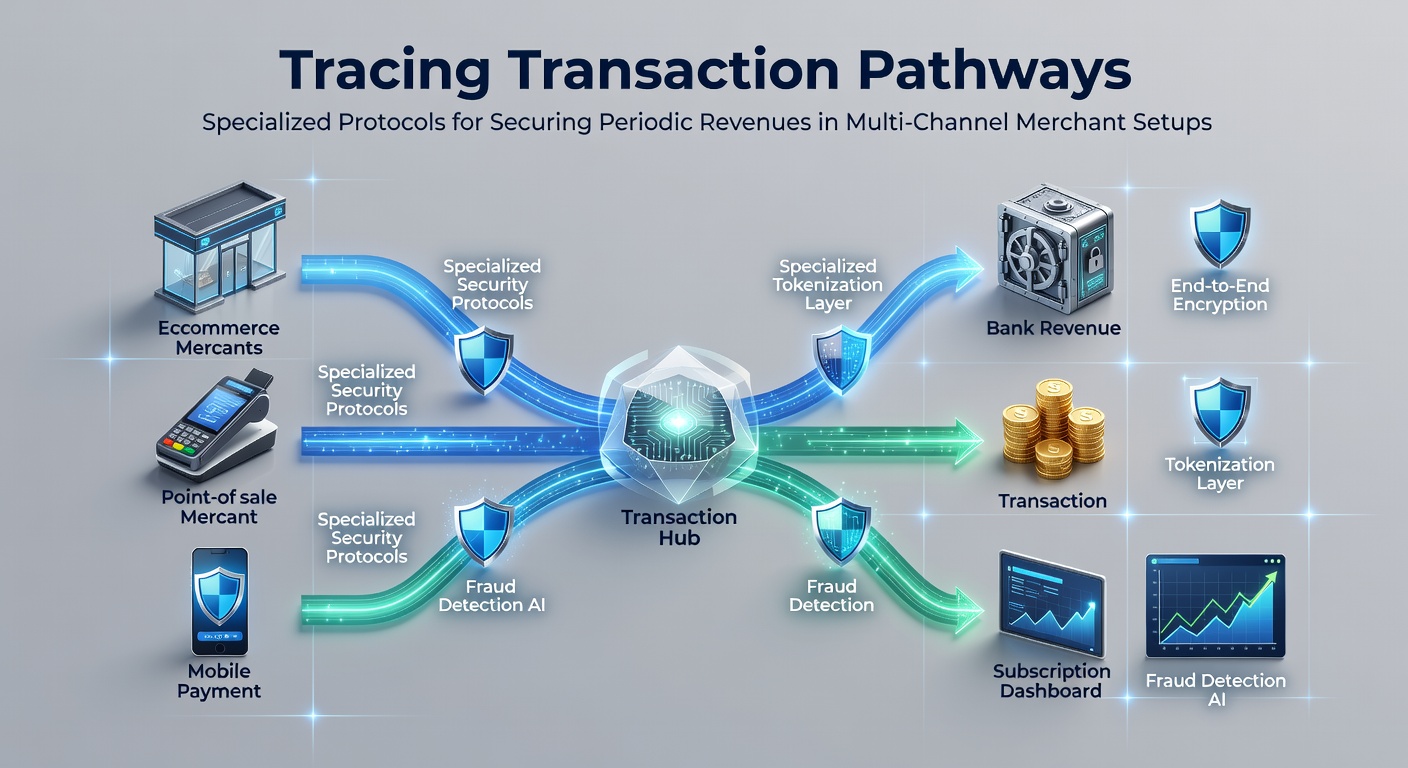
Merchants operating across several sales channels rely on specialized protocols that map every step a periodic payment takes from initiation to settlement, and these systems create verifiable records that reduce exposure to discrepancies in recurring revenue streams. Data from industry analyses indicate that multi-channel environments generate transaction volumes where a single revenue cycle might traverse point-of-sale terminals, e-commerce platforms, and mobile applications before reaching the merchant account.
Mapping the Flow of Recurring Transactions
Specialized protocols assign unique identifiers to each periodic charge at the point of authorization, which allows observers to follow the path through clearing houses and acquiring banks without interruption. Researchers at academic institutions have documented how these identifiers integrate with timestamped logs, and the approach proves effective when merchants process revenues that arrive on fixed schedules such as monthly subscriptions or installment plans. In June 2026 regulatory updates from the European Central Bank are expected to emphasize enhanced logging standards for cross-border periodic payments, which will require merchants to maintain pathway records for audit purposes.
Protocol Components That Secure Periodic Revenues
Core elements include sequential validation checkpoints placed at channel entry points, and these checkpoints cross-reference customer details against historical patterns before releasing funds. Observers note that protocols often incorporate real-time reconciliation engines that compare expected periodic amounts against actual receipts, flagging variances within seconds rather than days. One case study from a North American retail consortium revealed that merchants using such engines reduced settlement delays by integrating them directly with channel-specific gateways, while maintaining separate ledgers for each revenue stream.
Integration Across Diverse Sales Channels
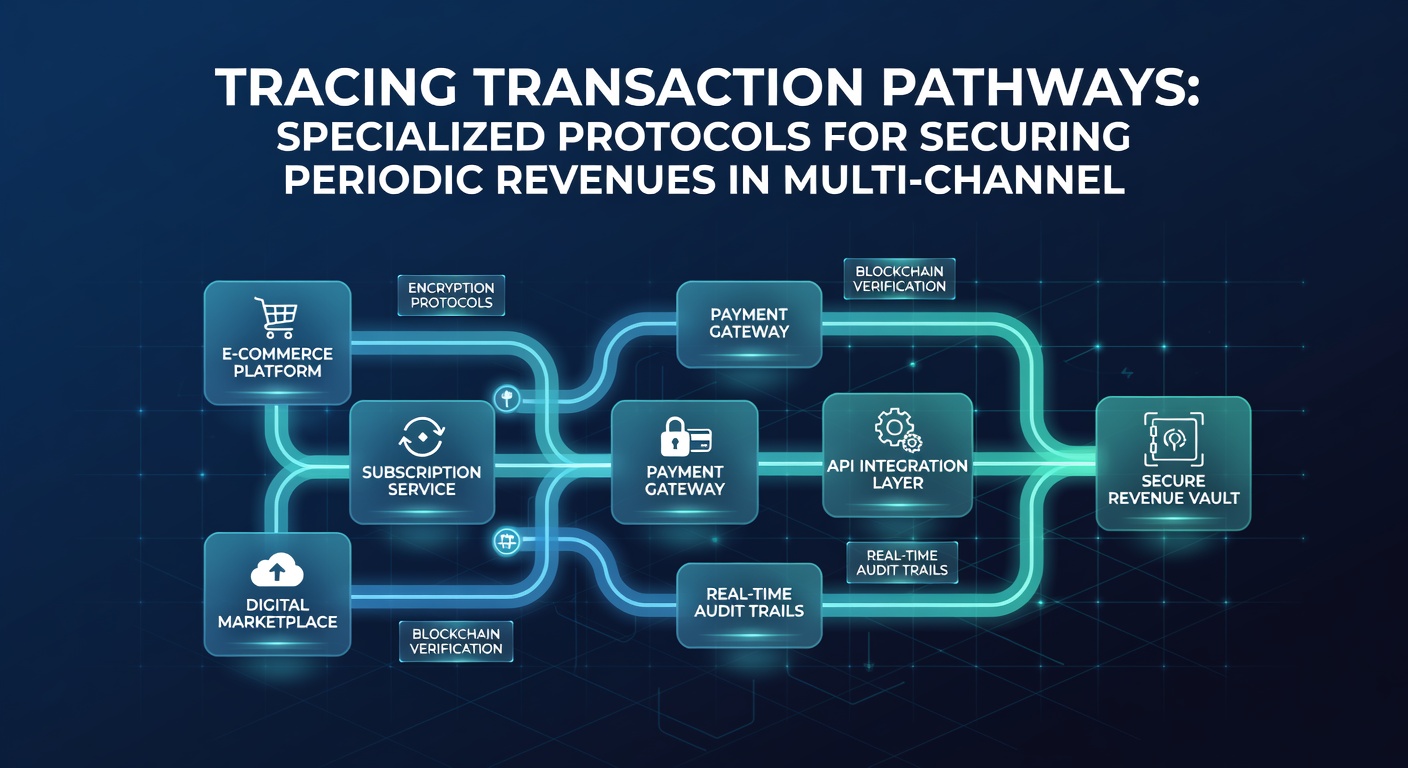
When a merchant accepts recurring payments through both physical locations and digital storefronts, protocols route transaction data through a centralized tracing layer that preserves the original channel metadata. This layer supports compliance with reporting requirements from bodies such as the Australian Securities and Investments Commission, which monitors how periodic revenues move between jurisdictions. Experts have observed that the tracing process becomes particularly relevant during high-volume periods when multiple channels generate overlapping charge cycles, because the metadata allows quick isolation of any single pathway for review.
Security Measures Embedded in Pathway Tracing
Encryption standards applied at each checkpoint ensure that periodic revenue data remain protected while in transit, and access controls limit visibility to authorized personnel only. Figures released by the Federal Reserve Bank of New York show steady growth in adoption of these layered security features among merchants handling multi-channel recurring payments, with particular emphasis on protocols that retain immutable copies of authorization sequences. Merchants who implement these measures report smoother coordination between in-house accounting systems and external processors, since the tracing records serve as a single source of truth for reconciliation tasks.
Operational Benefits Observed in Practice
Studies conducted by payment research groups indicate that pathway tracing shortens the time required to resolve disputes over periodic charges, because investigators can reconstruct the exact sequence of events from authorization through settlement. In multi-channel setups this capability proves valuable when revenues from one channel must be isolated from those originating elsewhere, and the protocols facilitate automated reporting that aligns with tax and regulatory filings. Those who've examined adoption patterns note that mid-sized operators often begin with partial implementations focused on their highest-volume channels before expanding coverage.
Future Developments in Protocol Standards
Industry organizations continue to refine specifications that allow tracing systems to interface with emerging payment rails, and preliminary tests conducted in 2025 demonstrated compatibility with instant settlement mechanisms. These advancements support merchants who manage periodic revenues across expanding channel networks, because the protocols adapt to new transaction types without requiring complete system overhauls. Data collected through collaborative research efforts reveal consistent improvements in revenue visibility when tracing protocols operate continuously rather than on a sampled basis.
Conclusion
Specialized protocols for tracing transaction pathways provide merchants with structured methods to monitor and protect periodic revenues that flow through multiple channels, and the combination of unique identifiers, validation checkpoints, and reconciliation engines forms the foundation of these systems. As regulatory expectations evolve, particularly with anticipated updates in June 2026, continued refinement of these protocols will support accurate recording and secure handling of recurring payment streams across diverse merchant operations.